Africa is home to some of the world’s most diverse cultural and intellectual traditions. Across thousands of communities, generations of Africans have developed ideas about community, family, leadership, responsibility, morality, spirituality, human relationships, nature, knowledge, and the meaning of life.
These ideas form part of Africa’s rich philosophical heritage.
African values and philosophies are not a single system. They differ across regions, societies, languages, religions, and historical periods. Yet many African traditions place strong emphasis on relationships, community, responsibility, respect, wisdom, human dignity, and the interconnectedness of life.
In today’s rapidly changing world, exploring these ideas can help Africans and people of African heritage reconnect with their cultural heritage while also contributing to conversations about how societies should live, work, and develop.
What Are African Values?
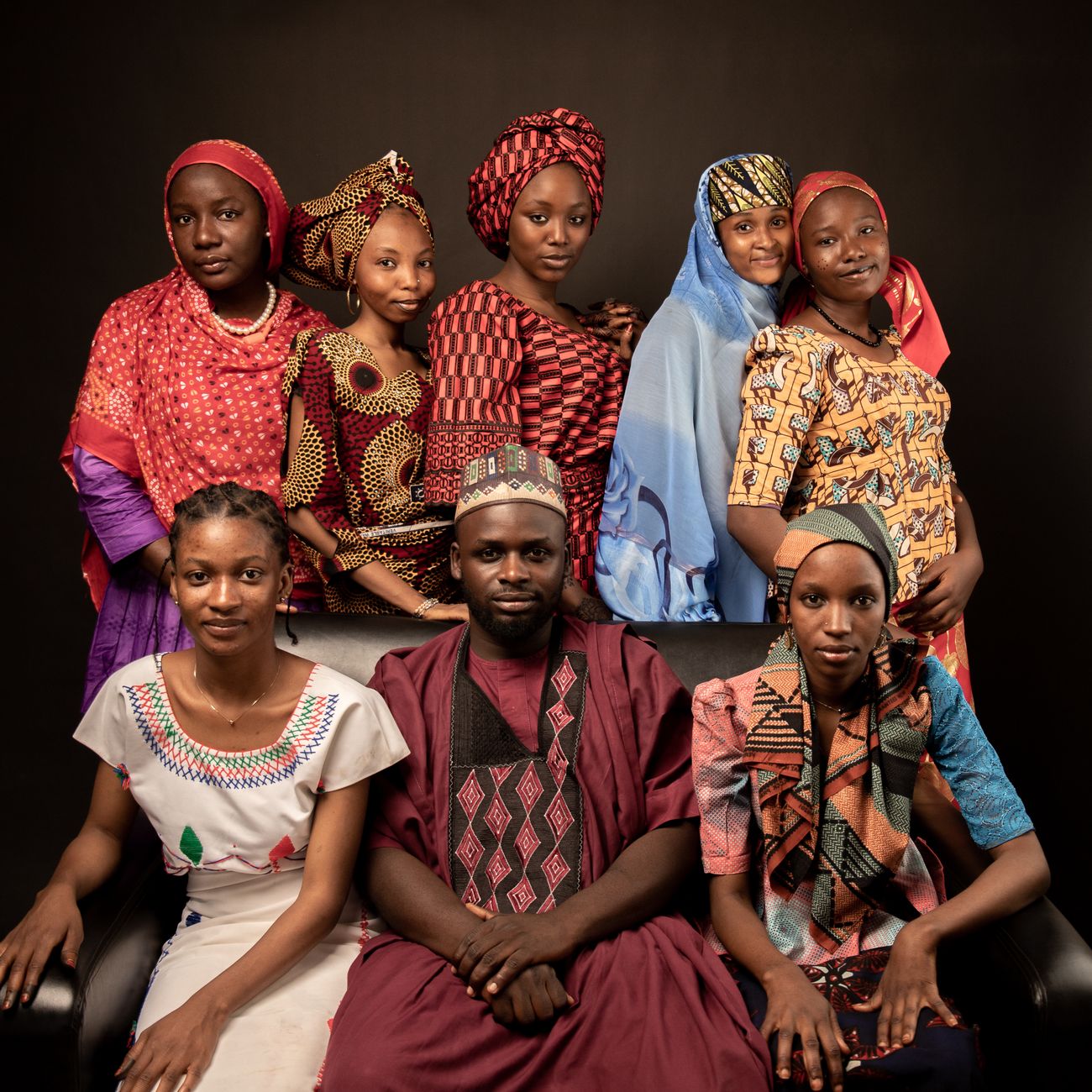
Values are principles that influence how individuals and communities understand what is important and how people should behave.
Across different African societies, values may include:
- Community and cooperation
- Respect for elders
- Responsibility towards family
- Hospitality
- Generosity
- Integrity
- Courage
- Respect for human dignity
- Reciprocity
- Accountability
- Collective responsibility
- Connection to ancestors and heritage
- Respect for nature
- Importance of knowledge and wisdom
These values are not universal to every African community, nor are they exclusive to Africa. Many can also be found in cultures around the world.
What makes them particularly important within African cultural education is the way they have been expressed through African languages, traditions, stories, philosophies, institutions, and everyday community life.
The Importance of Community
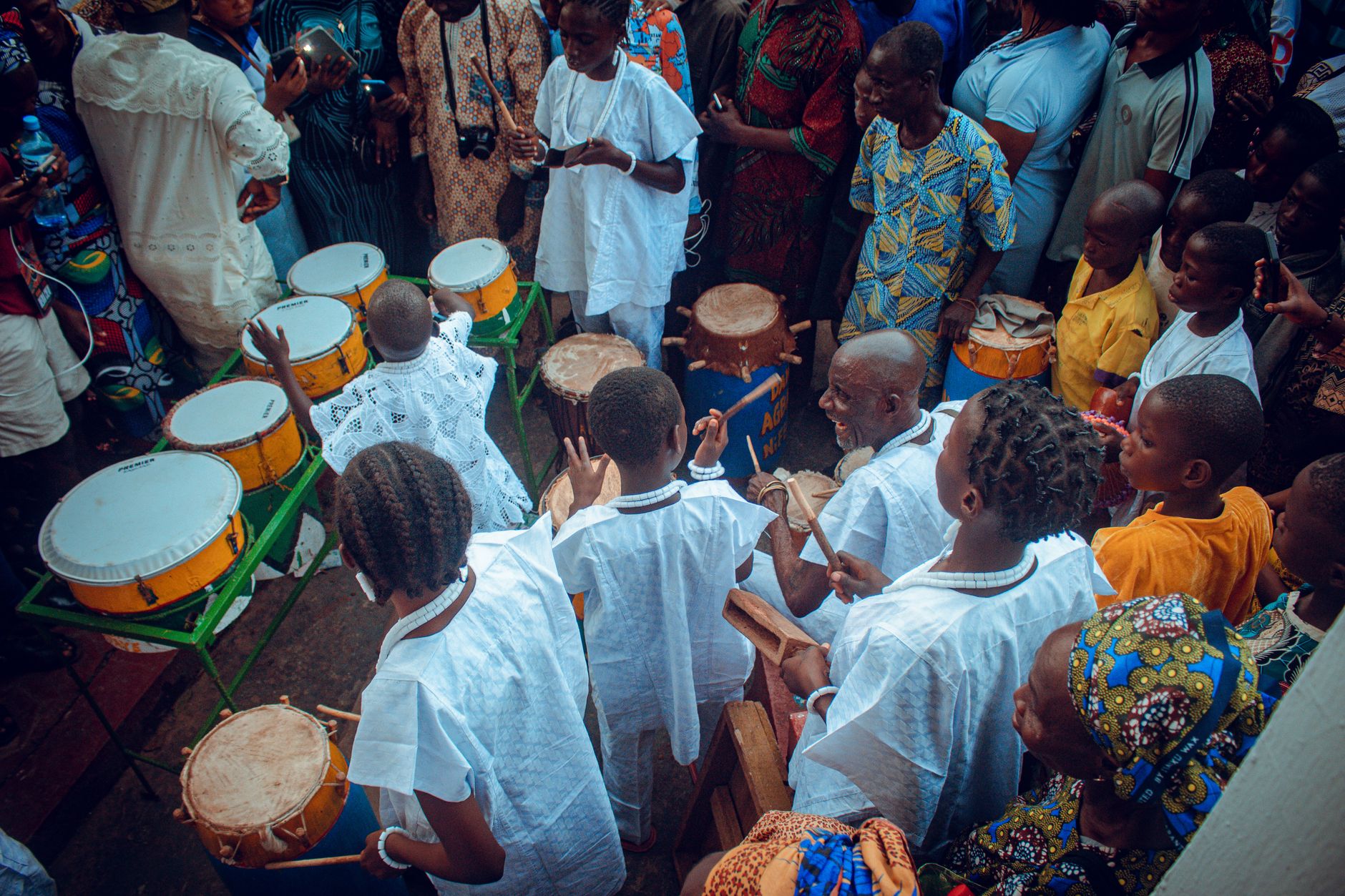
One recurring theme in many African societies is the importance of community.
Human beings are often understood not simply as independent individuals but as people whose lives are connected to families, neighbours, communities, and wider society.
A person’s wellbeing can therefore be understood partly through their relationships with others.
This emphasis on community can encourage:
- Cooperation
- Mutual support
- Shared responsibility
- Collective problem-solving
- Care for vulnerable members of society
- Strong family relationships
- Community participation
Community does not mean that individual achievement is unimportant.
Rather, it can encourage the idea that personal success can have responsibilities beyond the individual.
Ubuntu: “I Am Because We Are”
One of the best-known African philosophical concepts is Ubuntu, particularly associated with Southern African philosophical traditions.
Ubuntu is often expressed through the idea that a person’s humanity is deeply connected to the humanity of others.
It emphasises relationships, compassion, dignity, mutual recognition, and community.
Ubuntu can encourage us to ask:
How does my behaviour affect other people?
It offers a different way of thinking about success. Instead of measuring achievement only by individual wealth or status, success can also be considered in terms of how people contribute to their families and communities.
However, Ubuntu should not be presented as if it represents every African society. Africa contains thousands of cultures and intellectual traditions, each with their own concepts and philosophies.
Respect for Elders and the Importance of Wisdom
In many African communities, elders have traditionally been respected as important sources of knowledge and experience.
Age alone does not make someone wise, but years of experience can provide valuable knowledge about family, history, relationships, culture, agriculture, leadership, and community life.
Traditional societies developed different ways of passing knowledge from one generation to another.
Storytelling, apprenticeships, ceremonies, proverbs, songs, family histories, and direct observation all contributed to education.
This creates an important lesson for modern society:
Knowledge should not only be collected; it should also be passed on.
At the same time, respecting elders does not mean accepting every idea without question. Healthy intergenerational relationships allow younger generations to learn from experience while also bringing new perspectives and critical thinking.
The Wisdom of Proverbs
African proverbs represent one of the most powerful forms of traditional wisdom.
Across the continent, communities have used proverbs to communicate lessons about life, leadership, relationships, patience, responsibility, conflict, courage, and human behaviour.
Because proverbs are connected to particular languages and cultures, their meanings can differ significantly from one society to another.
They demonstrate how knowledge can be communicated in short, memorable forms.
A proverb can encourage reflection without providing a long explanation.
This makes African oral traditions an important area of study for cultural education.
The Importance of Family

Family has traditionally played a central role in many African societies.
The meaning and structure of family varies considerably across the continent, but relationships between generations are often highly valued.
Family can provide:
- Emotional support
- Education
- Cultural knowledge
- Economic cooperation
- Social identity
- Care for children and elders
- Connection to ancestry
In many communities, identity has historically been understood partly through one’s relationships and responsibilities within a wider family network.
Modern African families are changing because of urbanisation, migration, education, technology, economic pressures, and changing social expectations.
Yet family continues to be an important source of identity and belonging for many Africans.
Hospitality and Generosity
Hospitality is another value strongly associated with many African cultures.
Welcoming visitors, sharing food, helping neighbours, and supporting people in times of difficulty have long been important practices in many communities.
Hospitality can strengthen relationships and build trust.
Generosity can also extend beyond material wealth.
Sharing knowledge, offering time, helping someone learn a skill, supporting a neighbour, or providing guidance can all be forms of generosity.
In this sense, wealth can be understood not only by what a person possesses but also by what they are able to contribute.
Responsibility and Reciprocity
Many African community traditions emphasise reciprocal relationships.
If a community supports an individual, the individual may also have responsibilities towards the community.
This can create a culture of mutual assistance.
The principle of reciprocity can be seen in different forms of:
- Community work
- Collective farming
- Family support
- Caring for elders
- Supporting neighbours
- Community celebrations
- Shared responsibilities
These practices demonstrate that societies depend on relationships of trust and cooperation.
Leadership and Moral Responsibility

African political and philosophical traditions contain diverse ideas about leadership.
Traditional systems of governance varied greatly across the continent. Some societies developed kingships and empires, while others used councils, assemblies, age-based organisations, lineage structures, or other forms of authority.
Across these different systems, leadership could involve significant responsibilities towards the community.
A leader’s legitimacy was not necessarily based only on power.
Leadership could also be connected to justice, wisdom, protection, responsibility, diplomacy, and the wellbeing of the community.
This remains relevant today.
Modern African leadership can benefit from principles such as:
Integrity.
Accountability.
Service.
Justice.
Responsibility.
Vision.
Leadership should not simply be about holding a position. It should be about how that position is used.
Justice, Reconciliation and Community
Different African societies have developed different approaches to resolving disputes and restoring relationships.
Some traditional systems placed emphasis on mediation, dialogue, compensation, reconciliation, or community involvement.
The specific practices varied considerably and should be studied within their historical and cultural contexts.
Nevertheless, the broader principle that justice can involve repairing relationships as well as determining wrongdoing offers an important perspective.
Modern societies can learn from multiple approaches to conflict resolution while recognising that traditional systems also had limitations and should not be romanticised.
Human Dignity
Many African ethical traditions place importance on the dignity of human beings and the responsibilities people have towards one another.
Human dignity can be expressed through respect, hospitality, protection of vulnerable people, responsibility towards family, and fair treatment within communities.
This principle remains particularly relevant in modern societies facing inequality, discrimination, poverty, conflict, and social exclusion.
Cultural education can help young people understand that values are not merely historical concepts.
They can influence how we treat people today.
The Relationship Between People and Nature
Many Indigenous African knowledge systems have developed through close observation of the natural environment.
Communities have depended on land, water, forests, animals, and seasonal cycles for generations.
This has produced extensive knowledge about agriculture, weather, plants, animals, water, and ecosystems.
In some traditions, nature has also carried spiritual and cultural significance.
Modern environmental challenges make these perspectives particularly relevant.
Climate change, biodiversity loss, water shortages, and land degradation require societies to reconsider how they interact with the environment.
Traditional ecological knowledge can offer useful perspectives, particularly when combined with modern scientific research.
Spirituality and the Meaning of Life
African spiritual and philosophical traditions are extremely diverse.
Different societies have developed different understandings of God or supreme beings, ancestors, spirits, nature, morality, life, death, and the relationship between the visible and spiritual worlds.
Spirituality has often been connected to community life, ceremonies, morality, family, identity, and relationships with ancestors.
It is important not to treat African spirituality as one unified belief system.
The continent contains enormous religious diversity, including Indigenous traditions as well as Christianity, Islam, and other religious traditions.
Understanding this diversity is an important part of understanding African intellectual and cultural history.
Knowledge as a Responsibility
In many African traditions, knowledge is closely connected to responsibility.
Knowing something can create an obligation to teach others.
This can be seen in the role of elders, teachers, storytellers, craftspeople, healers, farmers, historians, and community leaders.
Knowledge becomes valuable when it contributes to the wellbeing of people and communities.
This idea is especially relevant today.
Education should not simply produce people who know more.
It should help produce people who can use knowledge responsibly.
African Philosophies in the Modern World
African philosophical ideas remain relevant in the 21st century.
Modern Africa faces questions about:
- Leadership
- Economic development
- Education
- Technology
- Artificial intelligence
- Environmental sustainability
- Community development
- Social inequality
- Cultural identity
- Globalisation
African philosophical traditions can contribute perspectives to these discussions.
For example, the emphasis on community can inform discussions about social responsibility. Traditional environmental knowledge can contribute to sustainability research. Indigenous approaches to knowledge transmission can inspire new educational models.
The objective should not be to recreate the past.
Instead, African societies can examine their intellectual heritage and ask:
What can we learn from it today?
African Values and Entrepreneurship
African values can also influence modern business.
Entrepreneurship is often presented as an individual pursuit, but businesses operate within communities.
A socially responsible African business can create value by:
- Creating employment
- Solving community problems
- Developing local skills
- Supporting suppliers
- Preserving cultural knowledge
- Creating opportunities for young people
- Building sustainable products and services
Community-oriented entrepreneurship can therefore combine commercial success with social impact.
Teaching African Values to the Next Generation
Cultural values are most effective when they are lived rather than simply taught.
Parents, schools, communities, cultural organisations, and educators can help young people explore African values through:
- Storytelling
- African literature
- History lessons
- Proverbs
- Cultural activities
- Community projects
- Intergenerational learning
- African languages
- Arts and music
- Discussions about ethics and leadership
Young people should also be encouraged to think critically.
Cultural education should not simply tell them what to believe.
It should encourage them to understand where values come from, how they have changed, and how they can apply relevant principles to modern life.
African Values and a Global Future
African values and philosophies do not belong only to Africans.
They form part of humanity’s broader intellectual heritage.
Ideas about community, dignity, cooperation, responsibility, environmental stewardship, wisdom, and human relationships are relevant to societies around the world.
At the same time, African communities should have the opportunity to present their philosophies on their own terms rather than having them interpreted entirely through external perspectives.
Africa is not simply a place from which resources and cultural products are taken.
It is also a continent of ideas, knowledge, philosophies, creativity, and intellectual traditions.
Conclusion
African values and philosophies provide an important window into the ways African societies have understood humanity, community, responsibility, leadership, nature, knowledge, and life.
They remind us that education is not only about academic achievement.
It is also about character, relationships, responsibility, identity, and wisdom.
As Africa moves into the future, there is an opportunity to combine the strengths of its cultural heritage with modern education, science, technology, entrepreneurship, and innovation.
The goal should not be to live in the past.
It should be to learn from the past, think critically about the present, and build a better future.
African cultural education has an important role to play in this journey.
By learning our values, studying our philosophies, preserving our knowledge, and encouraging the next generation to think critically and creatively, we can strengthen cultural confidence and contribute to a more connected world.
Know your values.
Learn your philosophies.
Respect your heritage.
Think critically.
Build the future.
Empowering the African mind globally through cultural learning.

