Africa is home to one of the world’s most dynamic and entrepreneurial populations. Across the continent and throughout the global African diaspora, individuals are creating businesses, developing innovative solutions, building new industries, and finding ways to turn ideas into opportunities.
From small family businesses and informal enterprises to technology startups, creative companies, agricultural ventures, professional services, and multinational corporations, African entrepreneurship takes many forms.
Entrepreneurship is more than starting a business.
It is about identifying problems, creating solutions, generating value, developing opportunities, and contributing to economic and social progress.
As Africa’s economies continue to change, entrepreneurship has an important role to play in creating employment, developing skills, encouraging innovation, strengthening communities, and building greater economic opportunities.
What Is African Entrepreneurship?

African entrepreneurship refers to the many ways Africans create and develop businesses and economic opportunities.
It includes entrepreneurs operating in areas such as:
- Technology
- Agriculture
- Manufacturing
- Education
- Healthcare
- Finance
- Retail
- Tourism
- Fashion
- Food
- Media
- Construction
- Transport
- Professional services
- Creative industries
- Renewable energy
- Digital services
There is no single African business model.
Entrepreneurs operate in different economic, cultural, political, and social environments across the continent.
What connects many entrepreneurs is the ability to identify opportunities and respond creatively to the needs of their communities and markets.
The Entrepreneurial Spirit in Africa
Entrepreneurship is not new to Africa.
Long before the modern startup ecosystem, African communities participated in extensive systems of trade, agriculture, craftsmanship, manufacturing, and commerce.
Historical trading centres such as Timbuktu, Djenné, Kano, Zanzibar, and other commercial hubs connected communities and regions through networks of exchange.
African merchants traded goods across vast distances, while craftspeople developed specialised skills in textiles, metalwork, pottery, leather, jewellery, agriculture, and other industries.
Modern African entrepreneurship builds on this long history of creativity, commerce, adaptability, and enterprise.
Why Entrepreneurship Matters for Africa
Entrepreneurship can contribute significantly to economic development.
Successful businesses can:
- Create employment
- Develop new products and services
- Increase household incomes
- Build professional skills
- Support local suppliers
- Generate tax revenue
- Encourage innovation
- Improve access to essential services
- Strengthen local economies
- Create opportunities for young people
For many African economies, supporting entrepreneurs is therefore not simply about helping individuals become wealthy.
It is also about building stronger economic ecosystems.
Young Africans and the Future of Business

Africa has a large and growing youth population.
This presents both a major opportunity and a significant responsibility.
Young people entering the workforce need access to education, practical skills, finance, mentorship, networks, and opportunities to develop businesses.
Technology has also lowered some barriers to entrepreneurship.
A young entrepreneur can now potentially build a website, market products through social media, offer digital services internationally, learn new skills online, and reach customers beyond their local community.
But technology alone is not enough.
Entrepreneurs also need strong foundations in financial management, customer service, marketing, communication, leadership, problem-solving, and business strategy.
Technology and African Entrepreneurship
Technology is transforming the way businesses operate.
African entrepreneurs are building companies and services in areas such as:
- Fintech
- E-commerce
- Artificial intelligence
- Digital education
- Mobile applications
- Software development
- Digital marketing
- Online professional services
- Health technology
- Agricultural technology
- Logistics
- Digital media
Technology can allow businesses to reach customers across borders and operate more efficiently.
It can also help entrepreneurs solve local problems with scalable solutions.
The opportunity is not simply to copy successful businesses from other parts of the world.
African entrepreneurs can develop solutions specifically designed around African markets and communities.
African Innovation: Solving Real Problems
Some of the strongest businesses begin with a simple question:
What problem needs to be solved?
Africa faces challenges in areas such as agriculture, education, healthcare, transportation, energy, housing, financial inclusion, waste management, and access to information.
These challenges can also create opportunities for innovation.
Entrepreneurs who understand their communities can identify practical solutions that improve people’s lives.
The most valuable businesses are often not those with the most complicated ideas.
They are the ones that solve meaningful problems effectively.
Agriculture and Agribusiness
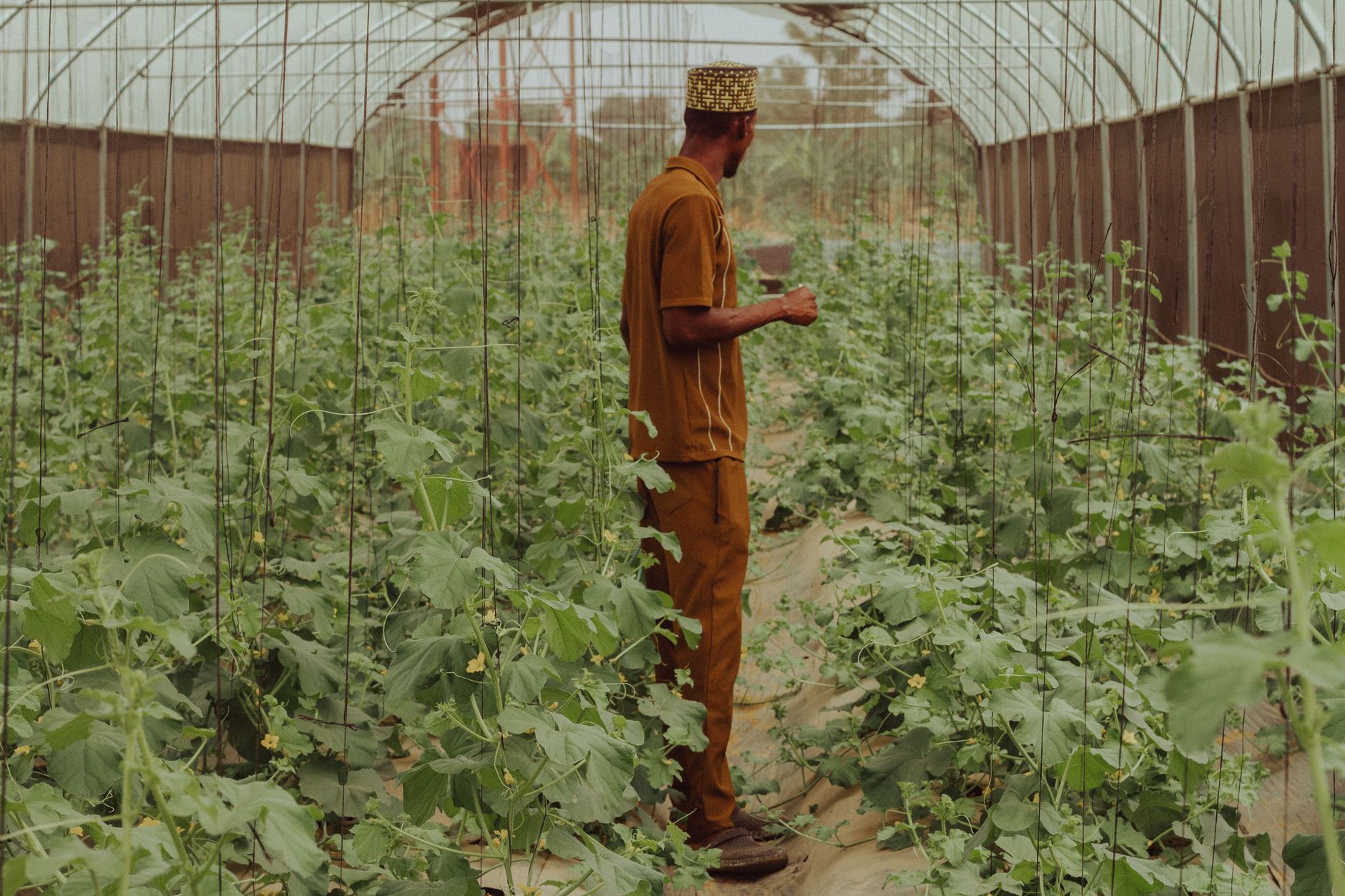
Agriculture remains an important part of many African economies and livelihoods.
Entrepreneurial opportunities exist across the agricultural value chain.
These include:
- Farming
- Food processing
- Packaging
- Storage
- Logistics
- Agricultural technology
- Irrigation
- Market access
- Export businesses
- Agricultural education
- Equipment and machinery
- Food production
Rather than focusing only on producing raw agricultural products, African entrepreneurs can create additional value by processing, packaging, branding, and distributing products.
This can help increase the economic value generated within African economies.
The African Creative Economy
Africa’s creative industries are becoming increasingly influential around the world.
Music, film, fashion, art, literature, photography, gaming, design, media, and digital content provide opportunities for entrepreneurs to build businesses around creativity.
African creative entrepreneurs can reach global audiences through digital platforms.
African stories, sounds, designs, languages, and perspectives can become powerful economic and cultural assets when developed professionally and responsibly.
The creative economy also demonstrates that entrepreneurship is not limited to traditional industries.
Creativity itself can become an economic opportunity.
African Cultural Entrepreneurship
Culture and business can work together.
Entrepreneurs can build sustainable businesses around African heritage while helping preserve cultural knowledge.
Examples include:
- Cultural education platforms
- Heritage tourism
- African fashion brands
- Traditional crafts
- African food businesses
- Cultural festivals
- Publishing
- Museums and exhibitions
- Language-learning platforms
- African history media
- Cultural consultancy
- Digital cultural archives
The key is to ensure that cultural entrepreneurship respects communities, traditions, intellectual property, and cultural ownership.
The Role of the African Diaspora

The African diaspora represents another important source of entrepreneurial connections.
Africans and people of African heritage living around the world can contribute through:
- Investment
- Business partnerships
- Knowledge transfer
- Mentorship
- Trade
- Professional networks
- Technology
- Education
- Market access
Diaspora entrepreneurs can also create businesses that connect African markets with international markets.
These connections can create opportunities for collaboration rather than simply one-way flows of capital.
Building Businesses Across African Borders
Africa is not one market.
Different countries have different languages, currencies, regulations, consumer preferences, infrastructure, and business environments.
However, entrepreneurs also have opportunities to build businesses that operate across borders.
Regional economic integration and digital technology can make cross-border trade and collaboration increasingly important.
Businesses that understand local markets while developing regional strategies can potentially reach much larger customer bases.
Successful expansion requires research, compliance, strong partnerships, reliable logistics, and an understanding of cultural differences.
The Importance of Business Skills
A good business idea is only the beginning.
Entrepreneurs need practical skills to turn ideas into sustainable businesses.
Important skills include:
Financial literacy – Understanding revenue, costs, cash flow, pricing, and profit.
Marketing – Knowing how to communicate value and reach customers.
Sales – Understanding customer needs and converting interest into business.
Leadership – Building and managing effective teams.
Communication – Working effectively with customers, employees, partners, and investors.
Technology – Using digital tools to improve productivity and reach.
Negotiation – Building strong commercial relationships.
Problem-solving – Responding effectively when circumstances change.
Strategic thinking – Planning for sustainable growth.
Entrepreneurship education should therefore go beyond motivational speeches.
People need practical knowledge they can apply.
Access to Finance
Access to capital can be a major challenge for entrepreneurs.
Businesses may need funding to purchase equipment, hire employees, develop products, market services, or expand into new markets.
Possible sources of finance can include:
- Personal savings
- Family investment
- Business partners
- Bank financing
- Microfinance
- Angel investors
- Venture capital
- Grants
- Government programmes
- Crowdfunding
- Revenue generated by the business
However, entrepreneurs should understand the terms and risks associated with different forms of finance.
Access to money is important, but financial discipline is equally important.
A sustainable business needs to manage cash carefully and understand its financial position.
The Importance of Mentorship
Entrepreneurship can be challenging, particularly for people starting their first business.
Mentors can provide valuable guidance based on experience.
A good mentor can help entrepreneurs think through:
- Business models
- Pricing
- Marketing
- Leadership
- Financial decisions
- Partnerships
- Expansion
- Common mistakes
- Long-term strategy
Building networks of experienced African entrepreneurs can therefore help create stronger business ecosystems.
Success becomes even more powerful when knowledge is shared.
Entrepreneurship and Community Development
African businesses can have a positive impact beyond their owners.
A successful business can create employment, train young people, support local suppliers, improve services, and contribute to community development.
This creates an important connection between entrepreneurship and social responsibility.
Business success should not be measured only by revenue.
It can also be measured by:
Value created.
People employed.
Skills developed.
Problems solved.
Communities strengthened.
Learning From Failure
Failure is part of entrepreneurship.
Not every business idea will succeed.
Markets change. Customers change. Costs increase. Competitors emerge. Partnerships fail. Economic conditions can shift.
Entrepreneurs therefore need resilience.
Failure can provide valuable information when it is analysed honestly.
The important questions are:
- What went wrong?
- What could have been done differently?
- What did customers teach us?
- What assumptions were incorrect?
- What should change next time?
Entrepreneurship requires the courage to start and the humility to learn.
Building Businesses With Integrity
Economic success should be built on trust.
Businesses that mislead customers, exploit workers, ignore regulations, or engage in unethical practices may damage both themselves and their communities.
African entrepreneurship should be supported by values such as:
- Integrity
- Accountability
- Fairness
- Transparency
- Respect
- Responsibility
- Excellence
Strong businesses build strong reputations.
Trust can become one of the most valuable assets a company possesses.
The Future of African Entrepreneurship
The future of African business will be influenced by technology, education, demographics, urbanisation, regional trade, globalisation, and changing consumer behaviour.
Emerging opportunities are likely to continue developing in areas such as artificial intelligence, digital education, renewable energy, healthcare, agriculture, financial technology, e-commerce, logistics, tourism, creative industries, and professional services.
But Africa’s greatest resource is not simply its natural resources.
It is its people and their ability to create, innovate, adapt, and solve problems.
Empowering the African Entrepreneur
Creating a stronger entrepreneurial future requires more than telling people to “start a business.”
It requires an ecosystem.
Young people need access to:
- Quality education
- Business skills
- Digital skills
- Mentorship
- Finance
- Networks
- Market opportunities
- Technology
- Research
- Professional support
Educational institutions, governments, businesses, investors, communities, and entrepreneurs all have roles to play.
The goal should be to create an environment where good ideas have a genuine opportunity to become sustainable businesses.
Conclusion
African entrepreneurship has the potential to play a major role in Africa’s economic and social future.
Across the continent and throughout the global diaspora, Africans are demonstrating creativity, resilience, innovation, and determination.
The opportunity is to build on these strengths.
We must encourage young people to identify problems, develop valuable skills, create solutions, build responsible businesses, and think beyond traditional limitations.
African entrepreneurship is not simply about making money.
It is about creating value, creating opportunities, creating employment, solving problems, and building a stronger future.
Africa’s entrepreneurial future will be shaped by people who are willing to learn, innovate, collaborate, and take action.
At African Global Minds Academy, we believe that knowledge is a foundation for empowerment. By connecting cultural understanding with education, skills, entrepreneurship, and opportunity, we can help equip the next generation to participate confidently in Africa’s future.
Learn. Innovate. Build. Create. Empower.
Empowering the African mind globally through cultural learning, entrepreneurship, and opportunity.

