Long before modern institutions, digital technology, and formal education systems, African communities developed sophisticated ways of understanding and responding to the world around them.
This knowledge was built through generations of observation, experience, experimentation, adaptation, and community learning. It influenced agriculture, healthcare, environmental management, architecture, craftsmanship, navigation, food production, conflict resolution, education, and social organisation.
This body of knowledge is often described as African Indigenous Knowledge or Indigenous Knowledge Systems.
African Indigenous Knowledge represents more than traditional practices. It is a valuable cultural inheritance that connects generations and reflects how communities have understood their environments and developed solutions to local challenges.
In today’s rapidly changing world, there is an important opportunity to preserve this knowledge, study it responsibly, and explore how it can contribute to Africa’s future.
What Is African Indigenous Knowledge?
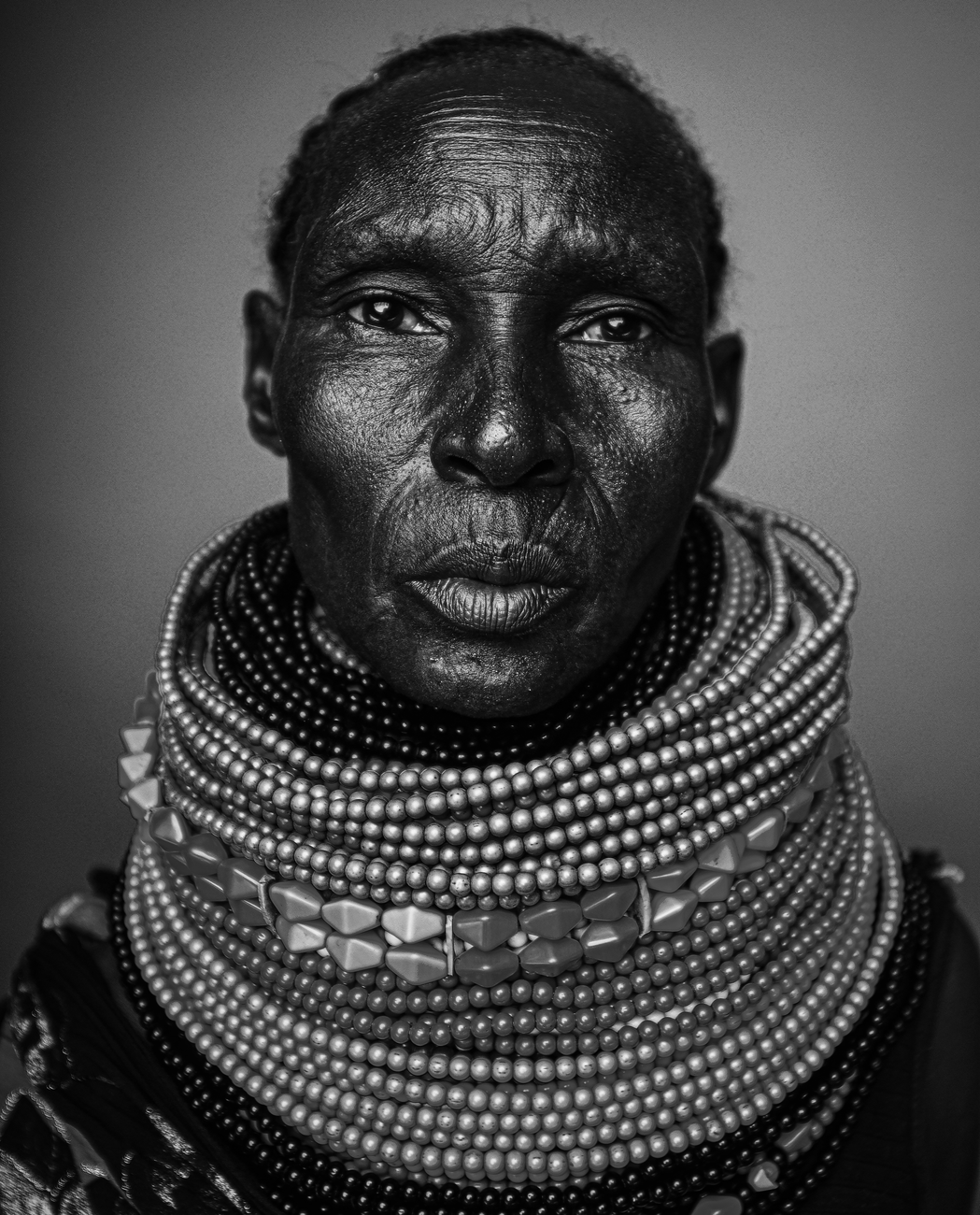
Indigenous knowledge refers broadly to knowledge developed and maintained by communities over generations through lived experience and interaction with their environment.
Across Africa, Indigenous knowledge can include:
- Agricultural practices
- Knowledge of local plants and ecosystems
- Food preservation techniques
- Traditional crafts and technologies
- Weather and environmental observation
- Water management
- Building and architectural knowledge
- Traditional medicine and healing practices
- Animal husbandry
- Fishing techniques
- Navigation
- Oral history and storytelling
- Languages and proverbs
- Community governance
- Conflict-resolution practices
- Cultural and spiritual knowledge
This knowledge is not identical across Africa.
Different communities have developed different systems based on their environments, histories, cultures, and experiences.
There is therefore no single African Indigenous Knowledge System. There are many.
Knowledge Passed from Generation to Generation
One of the most important characteristics of Indigenous knowledge is its connection to generations.
Knowledge has traditionally been passed through families and communities by observation, participation, storytelling, apprenticeship, ceremonies, demonstrations, and everyday life.
A child learning how to farm may learn by working alongside parents or grandparents.
A young person learning a craft may spend years observing and assisting an experienced artisan.
A community member may learn local plants and environmental practices through generations of accumulated experience.
This form of education demonstrates that learning does not only happen inside a classroom.
Communities themselves can be places of education.
Indigenous Knowledge and Agriculture
Agriculture is one of the areas where African communities have developed extensive Indigenous knowledge.
Farmers across different regions have developed techniques suited to local climates, soils, rainfall patterns, plants, and animals.
Traditional knowledge can include:
- Crop selection
- Seed preservation
- Soil management
- Crop rotation
- Mixed farming
- Water conservation
- Seasonal planning
- Pest management
- Livestock management
- Food storage and preservation
In environments where conditions can be unpredictable, knowledge of local ecosystems has often been essential for community survival.
Today, researchers and agricultural organisations are increasingly interested in traditional agricultural knowledge, particularly where it may contribute to sustainable farming and climate adaptation.
However, traditional practices should be evaluated carefully and in partnership with communities rather than automatically assumed to be effective in every context.
Indigenous Knowledge of Plants and Nature
Many African communities have developed detailed knowledge of local plants, animals, soils, water sources, and ecosystems.
People have historically used knowledge of plants for food, materials, dyes, construction, cultural practices, and traditional healthcare.
Knowledge of seasonal changes and animal behaviour could also help communities understand their environments.
This relationship with nature reflects an important principle found in many Indigenous knowledge traditions:
The environment is not simply a resource; it is part of the community’s life and survival.
As environmental challenges increase, traditional ecological knowledge can provide useful perspectives on biodiversity, conservation, and sustainable resource management.
Traditional Medicine and Healing Knowledge
Traditional healthcare practices have existed across Africa for generations.
Different communities developed their own approaches involving medicinal plants, traditional practitioners, therapeutic practices, nutrition, spiritual beliefs, and community support.
Some plants used traditionally have also become subjects of scientific research.
However, Indigenous healthcare knowledge should be approached with respect and care. Traditional practices are not automatically safe or effective simply because they are traditional, and they should not replace evidence-based medical treatment where professional healthcare is required.
The important opportunity is to encourage respectful research, documentation, and dialogue between Indigenous knowledge holders and modern scientific institutions.
African Indigenous Architecture
African communities have developed diverse architectural traditions adapted to local environments.
Buildings have been designed around factors such as:
- Climate
- Available materials
- Local geography
- Community needs
- Security
- Ventilation
- Temperature control
- Social organisation
Examples across the continent include earth construction, stone architecture, timber structures, thatched buildings, courtyard designs, and other locally adapted approaches.
Historic sites such as Great Zimbabwe demonstrate the sophisticated architectural and engineering traditions that developed in African societies.
Traditional architectural knowledge can also provide inspiration for modern approaches to sustainable and climate-responsive design.
Indigenous Knowledge and Water Management
Access to water has always been critical to African communities.
Different societies developed methods for collecting, storing, transporting, conserving, and managing water according to their environments.
Communities living in dry regions developed particularly valuable knowledge about rainfall, water sources, seasonal patterns, and conservation.
Such knowledge can offer useful insights as African countries face increasing pressures related to population growth, urbanisation, climate change, and water security.
Modern engineering and Indigenous knowledge do not necessarily have to compete.
They can sometimes complement one another.
African Indigenous Knowledge and Food
Food traditions represent another major form of Indigenous knowledge.
Knowledge about crops, preparation methods, fermentation, drying, smoking, preservation, cooking, and storage has been passed through generations.
Many traditional African foods are closely connected to local environments and agricultural systems.
Preserving food knowledge can therefore support both cultural heritage and food security.
It can also create opportunities for African entrepreneurs in agriculture, food production, hospitality, tourism, and international markets.
Storytelling, Proverbs and Oral Knowledge
African Indigenous knowledge has often been preserved through language.
Stories, songs, proverbs, praise poetry, riddles, and oral traditions can communicate important knowledge about society and human behaviour.
Proverbs, for example, can express ideas about responsibility, leadership, relationships, patience, community, and wisdom.
Storytelling can preserve historical memories while teaching younger generations about cultural values.
This is why protecting African languages is closely connected to protecting Indigenous knowledge.
When a language disappears, some cultural concepts and knowledge can become difficult to recover fully.
Indigenous Knowledge and Community Governance
Many African societies developed systems for organising communities, resolving disputes, establishing responsibilities, and maintaining social relationships.
These systems differed considerably from one society to another.
In some communities, councils of elders or other recognised leaders played important roles in decision-making and dispute resolution.
Community-based approaches could emphasise dialogue, reconciliation, responsibility, and restoration of relationships.
Not every traditional system should be idealised or treated as universally applicable. Indigenous societies, like all societies, had strengths and limitations.
Nevertheless, studying these systems can help broaden our understanding of Africa’s intellectual and political history.
The Role of Elders and Knowledge Holders
Indigenous knowledge often lives within people.
Elders, farmers, healers, craftspeople, hunters, fishermen, storytellers, musicians, builders, and other community knowledge holders can carry specialised knowledge developed over many years.
When this knowledge is not passed on, it can disappear.
This creates an urgent need for intergenerational learning.
Communities can record interviews, organise workshops, establish cultural archives, create educational programmes, and encourage young people to learn directly from knowledgeable members of their communities.
The Threat of Knowledge Loss
African Indigenous knowledge faces a number of challenges.
These can include:
- Loss of Indigenous languages
- Urbanisation
- Migration
- Generational gaps
- Changes in traditional occupations
- Declining transmission of oral traditions
- Environmental changes
- Cultural marginalisation
- Lack of documentation
- Limited educational recognition
As younger generations move away from traditional practices, valuable knowledge can become disconnected from everyday life.
Preservation therefore requires more than storing information.
Knowledge must also remain understood, relevant, and connected to communities.
Documenting Indigenous Knowledge in the Digital Age
Technology provides powerful tools for preservation.
Communities can use digital platforms to record:
- Oral histories
- Traditional songs
- Languages
- Recipes
- Agricultural practices
- Craft techniques
- Family histories
- Cultural ceremonies
- Traditional architecture
- Environmental knowledge
Digital archives can make cultural resources available to researchers, educators, students, families, and diaspora communities.
But documentation must be ethical.
Indigenous communities should have a meaningful role in deciding what knowledge can be recorded, who can access it, and how it can be used.
Some knowledge may be private, sacred, restricted, or collectively owned.
Preservation should never become exploitation.
Protecting Indigenous Knowledge and Cultural Ownership
As interest in Indigenous knowledge increases, questions about ownership and benefit-sharing become important.
Traditional knowledge should not simply be taken by outside organisations and commercialised without consent or recognition.
Researchers, companies, governments, and educational institutions should work respectfully with communities and knowledge holders.
Where Indigenous knowledge contributes to commercial products, research, or innovation, appropriate recognition, participation, and benefit-sharing should be considered.
Cultural preservation must go hand in hand with cultural respect.
Indigenous Knowledge and Modern Innovation
Indigenous knowledge should not be viewed as something that belongs only to the past.
It can inspire innovation in the present.
African entrepreneurs, scientists, engineers, architects, farmers, designers, educators, and researchers can explore how traditional knowledge can inform modern solutions.
For example, traditional approaches to agriculture may inspire sustainable farming techniques. Local building knowledge may influence climate-responsive architecture. Indigenous foods may inspire new businesses. Traditional crafts can influence contemporary design.
The objective is not to copy the past without examination.
It is to learn from accumulated knowledge and combine valuable insights with modern research and innovation.
The Role of Young Africans
Young people are essential to the future of Indigenous knowledge.
They can become researchers, storytellers, filmmakers, entrepreneurs, educators, archivists, designers, and digital creators.
They can interview grandparents, learn African languages, document family histories, visit cultural sites, study traditional crafts, and create digital educational resources.
Most importantly, young Africans can help make Indigenous knowledge relevant to the modern world.
The next generation should not simply inherit cultural knowledge.
They should have the opportunity to understand it, question it, develop it, and build upon it.
African Indigenous Knowledge and Education
Education systems have an important role to play in recognising African knowledge.
Students should have opportunities to learn about African contributions to agriculture, science, technology, architecture, environmental knowledge, philosophy, governance, arts, and culture.
This does not mean replacing modern scientific education.
Instead, education can create space for dialogue between different knowledge systems.
Students can learn to distinguish between historical knowledge, cultural beliefs, practical experience, and claims that require scientific testing.
This approach encourages both cultural respect and critical thinking.
Indigenous Knowledge and the Future of Africa
Africa faces major challenges and opportunities in the 21st century.
Climate change, food security, urbanisation, healthcare, education, environmental conservation, technological development, and economic transformation require innovative solutions.
African Indigenous knowledge may offer valuable perspectives in some of these areas.
But its greatest value may also be cultural.
It reminds us that African communities have always been knowledge producers.
Africa’s people have observed, experimented, created, adapted, taught, and innovated across generations.
Recognising this history can help strengthen cultural confidence and encourage a new generation to see themselves not only as consumers of knowledge but also as creators of knowledge.
Conclusion
African Indigenous Knowledge represents a vast inheritance of experience, creativity, observation, and wisdom developed across generations.
It can be found in farms, forests, villages, cities, languages, kitchens, workshops, cultural ceremonies, family stories, traditional crafts, historical sites, and the memories of elders.
Preserving this knowledge does not mean rejecting modern science or technology.
It means recognising that valuable knowledge can come from many sources and that African communities have long contributed to humanity’s understanding of the world.
The responsibility now is to protect this heritage while ensuring that it remains relevant to future generations.
We must listen to our elders, document our knowledge, protect our languages, support our communities, encourage research, educate our young people, and use technology responsibly.
African Indigenous Knowledge is not merely a window into the past.
It can also be a foundation for the future.
At African Global Minds Academy, we believe that empowering the African mind begins with recognizing the knowledge, history, culture, and wisdom that already exist within African communities.
Learn. Preserve. Research. Innovate. Empower.
Empowering the African mind globally through cultural learning.

