African culture is one of the world’s richest and most diverse cultural heritages. Across the continent, thousands of communities have developed their own languages, traditions, customs, belief systems, music, art, food, clothing, stories, ceremonies, knowledge systems, and ways of life.
Yet culture cannot be preserved simply by remembering the past. It must be learned, practised, documented, shared, and passed from one generation to the next.
African cultural preservation is therefore not only about protecting traditions. It is about protecting identity, knowledge, history, and the connection between generations.
In a rapidly changing world, preserving African culture has become an important responsibility for families, communities, educators, cultural organisations, governments, and young people.
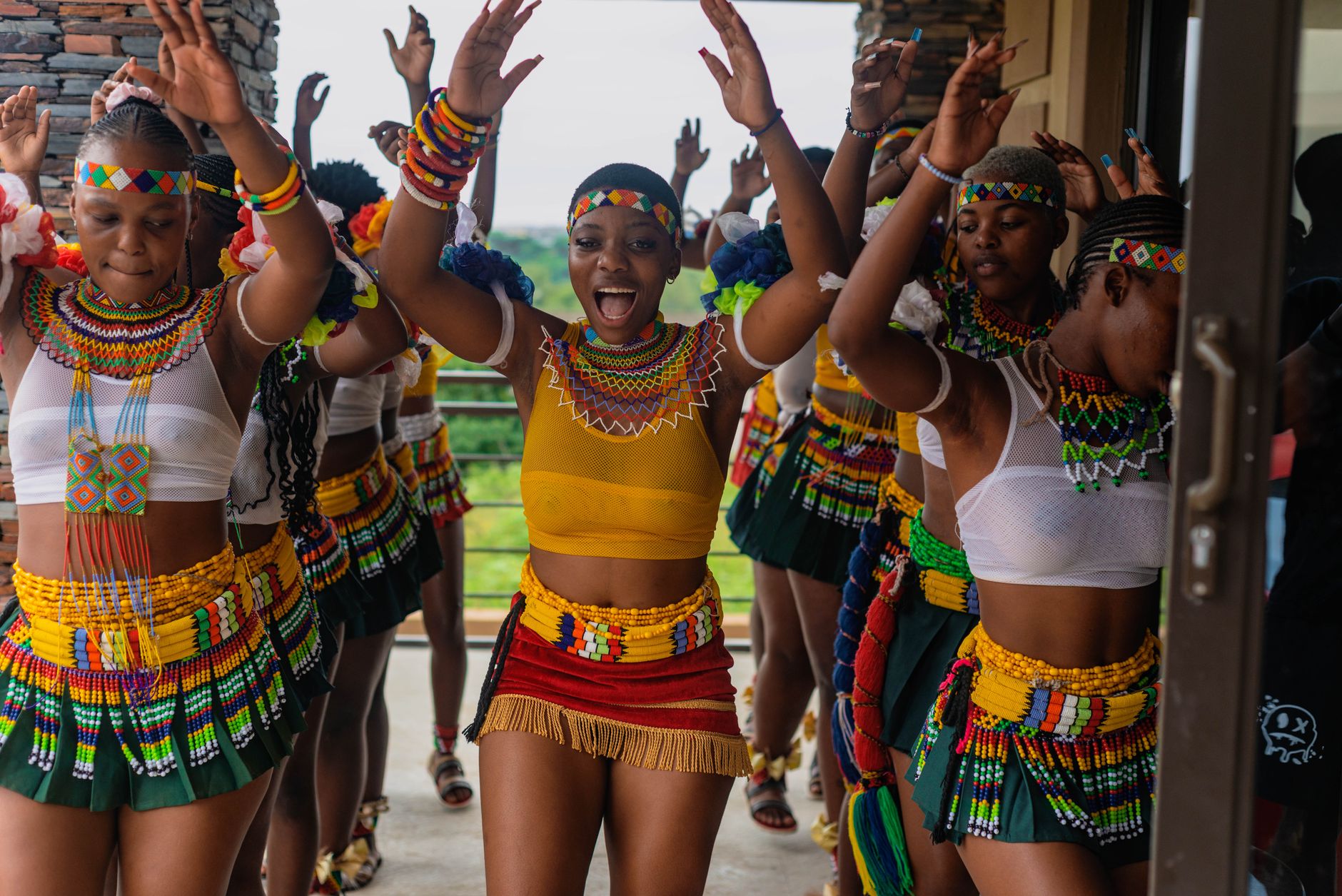
What Is African Cultural Preservation?
African cultural preservation is the process of protecting, documenting, maintaining, and passing on the cultural heritage of African communities.
This can include:
- African languages
- Traditional knowledge
- Oral histories and storytelling
- Music and dance
- Traditional clothing and crafts
- Food and cooking traditions
- Names and naming traditions
- Marriage and family customs
- Community ceremonies
- Indigenous knowledge
- Traditional architecture
- Art and sculpture
- Cultural festivals
- Historical sites and monuments
- Traditional environmental knowledge
Preservation does not mean keeping culture unchanged forever.
Cultures naturally evolve. The goal is to ensure that important knowledge and traditions are not lost simply because societies are changing.
Why African Culture Matters
Culture gives people a sense of identity and belonging.
It helps individuals understand where they come from and provides communities with shared memories, values, stories, and traditions.
For African communities, cultural knowledge can provide an important connection between the past, present, and future.
When people understand their heritage, they can develop a stronger appreciation of their identity and the contributions of previous generations.
Cultural preservation can also help correct incomplete historical narratives by ensuring that African communities have opportunities to document and communicate their own histories and experiences.
The Importance of African Languages
Language is one of the most important forms of cultural heritage.
Africa is home to thousands of languages, each carrying unique histories, expressions, knowledge, and cultural perspectives.
When a language disappears, communities can lose more than words. They may also lose traditional stories, expressions, names, songs, proverbs, and knowledge that are difficult to fully translate into another language.
Encouraging younger generations to learn African languages can therefore be an important part of cultural preservation.
Technology can support this effort through language-learning platforms, digital dictionaries, educational videos, podcasts, online courses, and digital archives.
Preserving Oral History and Storytelling
For generations, African communities have preserved knowledge through oral traditions.
Stories, proverbs, songs, praise poetry, family histories, and traditional teachings have been passed from elders to younger generations.
Storytelling has traditionally been more than entertainment. It can communicate history, values, moral lessons, community experiences, and knowledge about the environment.
However, oral traditions can become vulnerable when younger generations no longer have opportunities to learn directly from elders.
Recording interviews, creating digital archives, producing documentaries, publishing books, and encouraging storytelling programmes can help preserve these valuable traditions.
The Role of Elders
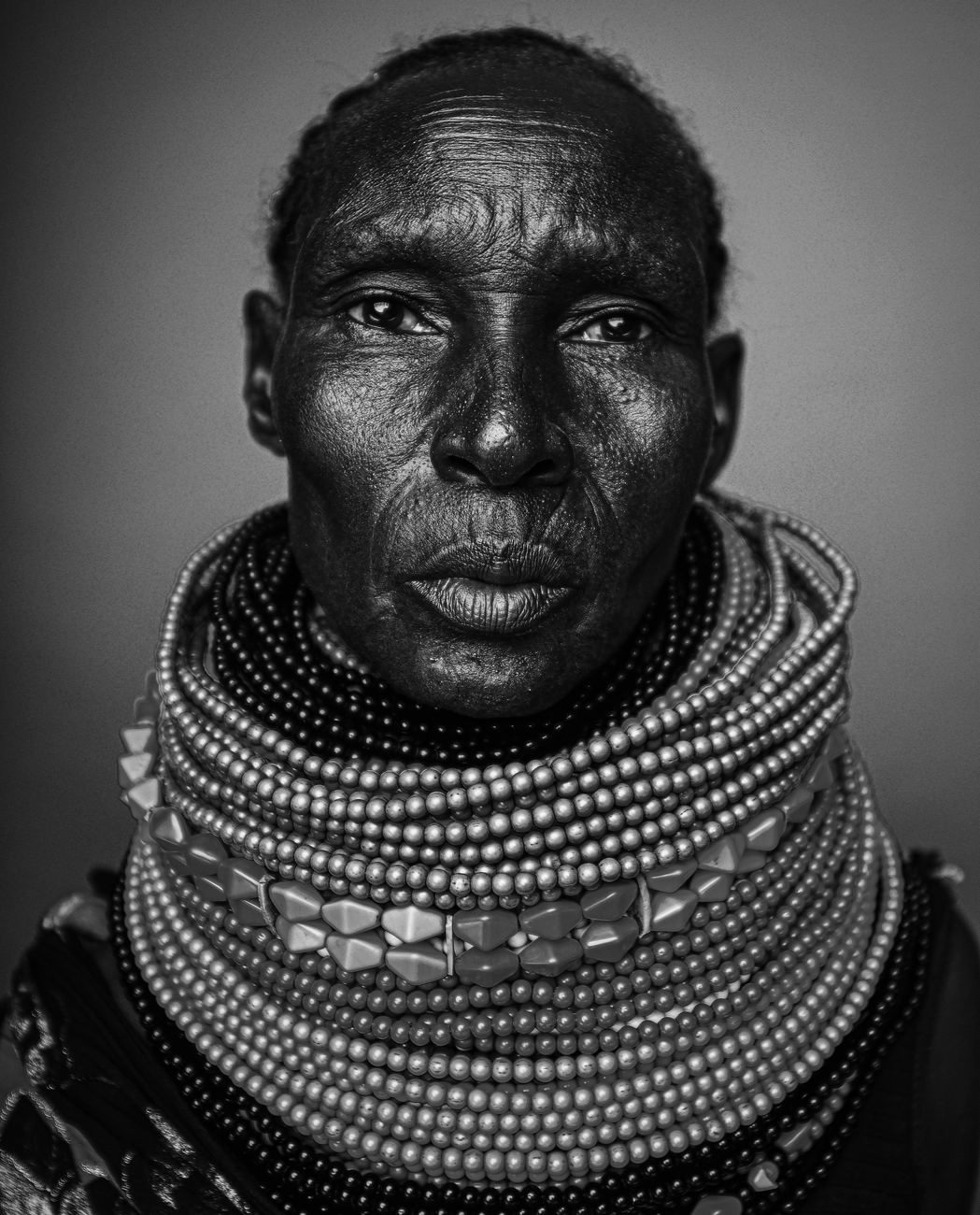
Elders can play an important role in cultural preservation because they often carry knowledge acquired through lived experience.
They may know family histories, traditional practices, local languages, ceremonies, songs, crafts, stories, and community traditions that are not recorded elsewhere.
Creating opportunities for younger generations to learn from elders can help ensure that this knowledge continues.
Intergenerational learning can take many forms:
- Community storytelling sessions
- School visits by cultural knowledge holders
- Interviews with elders
- Family history projects
- Cultural workshops
- Traditional craft demonstrations
- Language programmes
- Community archives
The knowledge of elders becomes even more valuable when it is documented and made accessible to future generations.
African Traditional Arts and Crafts
African art and craftsmanship represent centuries of creativity and technical knowledge.
Across the continent, communities have developed distinctive traditions of weaving, pottery, carving, metalwork, beadwork, basketry, textiles, jewellery, painting, sculpture, and other forms of artistic expression.
These traditions should not only be viewed as historical objects.
They represent knowledge, creativity, skill, identity, and economic potential.
Supporting African artisans and cultural entrepreneurs can help preserve traditional skills while creating opportunities for new generations.
Traditional craftsmanship can also inspire contemporary African designers, architects, artists, fashion creators, and entrepreneurs.
Food as Cultural Heritage
Food is another powerful expression of African culture.
Traditional dishes often reflect local agriculture, geography, history, migration, trade, and community traditions.
Recipes are frequently passed through families from one generation to another.
Preserving African food traditions therefore involves more than keeping recipes alive. It can also involve protecting knowledge about indigenous crops, farming practices, preparation methods, food preservation, and the cultural significance of particular dishes.
African cuisine has enormous potential to reach global audiences while maintaining its cultural roots.
Protecting Cultural Sites and Heritage
Historic buildings, archaeological sites, monuments, traditional settlements, sacred places, and cultural landscapes can provide important connections to the past.
Protecting these places helps future generations understand the societies that came before them.
Cultural heritage sites can also contribute to education, tourism, research, local economic development, and community identity.
Preservation should involve local communities so that heritage protection is not simply about maintaining buildings or objects but also about respecting the people and traditions connected to them.
The Digital Age and Cultural Preservation
Technology has created new possibilities for preserving African culture.
Digital tools can help communities:
- Record oral histories
- Archive photographs
- Digitise historical documents
- Teach African languages
- Record traditional music
- Create online museums
- Produce educational videos
- Publish African literature
- Build cultural databases
- Connect diaspora communities
- Share cultural knowledge globally
Social media has also created opportunities for young Africans to become cultural educators and storytellers.
A young person with a smartphone can document an elder telling a traditional story, record a traditional craft, explain the history of a cultural celebration, or teach an African language to an international audience.
The digital world can therefore become a powerful tool for cultural preservation.
Young People Are Essential
Cultural preservation cannot depend only on older generations.
Young Africans must be active participants.
Young people can learn traditional languages, interview grandparents, research family histories, support cultural businesses, participate in festivals, create cultural content, learn traditional arts, and share African history through modern media.
Most importantly, young people can bring African heritage into contemporary spaces.
They can combine traditional knowledge with technology, entrepreneurship, education, design, film, music, fashion, and innovation.
This creates a culture that is not simply preserved but actively lived and developed.
African Culture and the Global Diaspora
African cultural preservation also extends beyond the continent.
African communities and people of African heritage around the world continue to maintain, adapt, and rediscover connections to African culture.
The diaspora can contribute to preservation through cultural organisations, educational programmes, museums, festivals, genealogy projects, language learning, creative industries, and connections with communities across Africa.
Digital technology has made it easier for people separated by geography to learn from one another and build cultural connections.
This creates an opportunity for Africans on the continent and the global African diaspora to strengthen cultural knowledge together.
Cultural Preservation and Economic Opportunity
Culture is not only something to protect. It can also create economic opportunities.
African cultural industries have enormous potential in areas such as:
- Fashion
- Film
- Music
- Publishing
- Tourism
- Food
- Art
- Crafts
- Education
- Digital media
- Cultural events
- Heritage experiences
Supporting cultural entrepreneurs can create employment while encouraging the preservation of traditional knowledge and creative practices.
The challenge is to ensure that cultural commercialisation respects communities, protects cultural ownership, and provides meaningful benefits to the people whose heritage is being represented.
What Can We Do to Preserve African Culture?
Cultural preservation begins with practical action.
Individuals and communities can:
Learn – Study African history, languages, traditions, and cultural practices.
Listen – Learn from elders, cultural knowledge holders, historians, artists, and community members.
Document – Record stories, photographs, interviews, recipes, songs, and family histories.
Teach – Pass cultural knowledge to children and younger generations.
Support – Support African artists, artisans, authors, educators, cultural organisations, and businesses.
Celebrate – Participate in cultural events and create opportunities for communities to celebrate their heritage.
Use technology – Create digital archives, educational content, podcasts, documentaries, and online learning resources.
Share responsibly – Introduce African cultures to global audiences while respecting their origins and cultural significance.
Preserving Culture Without Rejecting Progress
Cultural preservation does not require Africans to reject modern life.
Africa’s cultures have always evolved through interaction, creativity, migration, trade, innovation, and changing social conditions.
The objective is not to return to the past.
The objective is to carry valuable knowledge forward.
A young African can use artificial intelligence, build a technology company, study at a global university, work internationally, and still speak an African language, understand their heritage, celebrate their traditions, and value their cultural identity.
Tradition and innovation can exist together.
Conclusion
African cultural preservation is a responsibility shared across generations.
Our languages, stories, traditions, music, food, art, craftsmanship, history, values, and knowledge represent a cultural inheritance that should not be taken for granted.
If cultural knowledge is not documented, taught, and practised, parts of it can disappear.
But preservation is not simply about looking backwards.
It is about giving future generations the knowledge and confidence to move forward.
Africa’s cultural heritage belongs to its communities, its children, its diaspora, and future generations.
We must therefore learn it, document it, protect it, celebrate it, and pass it on.
At African Global Minds Academy, we believe cultural knowledge is a foundation for identity, confidence, education, and empowerment.
Preserve the heritage.
Educate the next generation.
Celebrate African culture.
Empower the African mind globally.

