Africa is a continent of extraordinary diversity, resources, talent, creativity, and entrepreneurial energy. From established industries to emerging technology sectors, businesses across Africa are responding to changing consumer needs and creating new solutions to local and global challenges.
For entrepreneurs, investors, professionals, and young people, Africa presents a wide range of business opportunities.
These opportunities are not limited to large corporations or wealthy investors. Small businesses, startups, social enterprises, family businesses, digital entrepreneurs, farmers, creatives, and skilled professionals can all participate in Africa’s economic growth.
The key is understanding the market, identifying genuine problems, developing valuable solutions, and building businesses that can operate sustainably.
Why Africa Offers Significant Business Opportunities
Africa’s economies differ considerably, but many countries share important characteristics that can create opportunities for entrepreneurs.
These include:
- Growing consumer markets
- A young population
- Increasing urbanisation
- Expanding internet and smartphone use
- Demand for better infrastructure and services
- Large agricultural potential
- Growing digital economies
- Expanding creative industries
- Increasing demand for education and skills
- Strong connections with the global African diaspora
These trends are creating demand for new products, services, technologies, and business models.
However, opportunity should not be confused with guaranteed success.
Africa is not one single market. Every country has its own regulations, infrastructure, consumer behaviour, currencies, languages, economic conditions, and business environment.
Successful entrepreneurs therefore need to research individual markets carefully.
1. Technology and Digital Services

Technology is one of the most exciting areas of African business.
Businesses can develop digital solutions for consumers, companies, governments, schools, healthcare providers, farmers, and other organisations.
Potential opportunities include:
- Software development
- Mobile applications
- Artificial intelligence services
- Cybersecurity
- Cloud services
- Digital marketing
- Website development
- Business automation
- Data services
- IT support
- Online marketplaces
Technology can also allow African businesses to serve customers outside their home countries.
A skilled developer, designer, consultant, or digital agency can potentially work with clients across Africa and internationally.
2. Fintech and Digital Payments
Financial technology has become an important part of Africa’s digital transformation.
Many consumers and businesses increasingly use mobile and digital financial services.
Opportunities can exist in areas such as:
- Digital payments
- Business payment platforms
- Financial management tools
- Digital banking services
- Insurance technology
- Financial education
- SME financial tools
- Cross-border payment solutions
Because financial services are highly regulated, entrepreneurs entering this sector need to understand licensing, consumer protection, data protection, and other regulatory requirements.
The opportunity is significant, but so is the responsibility.
3. Agriculture and Agribusiness
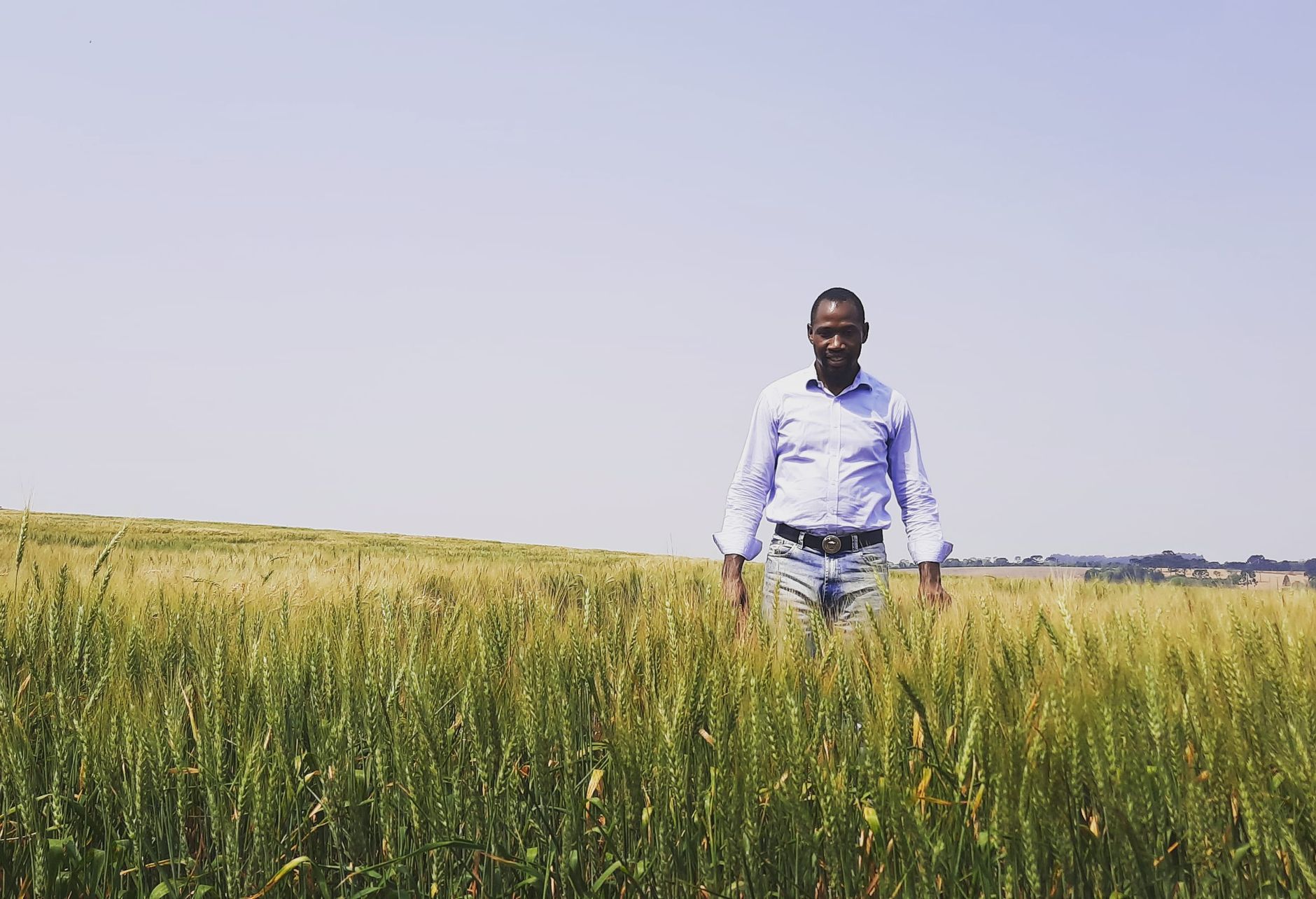
Agriculture remains a major economic sector across many African countries.
But the opportunity extends well beyond farming.
Entrepreneurs can build businesses throughout the agricultural value chain.
These include:
- Food processing
- Packaging
- Storage
- Transportation
- Irrigation
- Agricultural equipment
- Seed and input businesses
- Agricultural technology
- Cold-chain services
- Marketplaces
- Export businesses
- Agricultural training
Adding value to agricultural products can create opportunities for businesses while helping reduce dependence on exporting raw commodities alone.
4. Food Processing and Manufacturing
Africa has significant opportunities to expand local production and value addition.
Entrepreneurs can develop businesses that process locally available resources into finished or semi-finished products.
Examples include:
- Packaged foods
- Beverages
- Textiles
- Furniture
- Building materials
- Household products
- Personal-care products
- Agricultural products
- Consumer goods
Manufacturing requires careful consideration of energy, logistics, equipment, skills, finance, and market demand.
However, businesses that solve these challenges efficiently can create substantial value.
5. Renewable Energy
Energy access and energy reliability remain important issues in many African markets.
This creates opportunities for businesses involved in renewable and distributed energy solutions.
Potential areas include:
- Solar energy
- Solar home systems
- Battery storage
- Energy-efficient equipment
- Mini-grid solutions
- Solar-powered irrigation
- Energy consulting
- Clean-energy technology
Renewable energy businesses can serve households, farms, schools, healthcare facilities, businesses, and communities.
As technology improves, entrepreneurs may find new ways to make clean energy more affordable and accessible.
6. Education and Skills Development

Education represents another major opportunity.
Africa’s growing workforce needs skills that match changing economies.
Businesses can provide education and training in areas such as:
- Digital skills
- Artificial intelligence
- Coding
- Entrepreneurship
- Financial literacy
- Languages
- Vocational skills
- Professional development
- Business management
- Online learning
Digital education platforms can potentially reach learners across geographical boundaries.
There is also an opportunity to combine African knowledge and cultural education with modern professional skills.
This can create educational businesses that are both commercially sustainable and socially valuable.
7. Healthcare and Health Technology
Healthcare needs create opportunities for entrepreneurs, innovators, technology companies, and service providers.
Potential areas include:
- Health technology
- Medical logistics
- Healthcare administration
- Digital health services
- Medical equipment
- Health education
- Diagnostics
- Pharmaceutical distribution
- Specialist healthcare services
Healthcare businesses must meet appropriate professional, regulatory, safety, and ethical standards.
The most valuable opportunities are often those that improve access, efficiency, affordability, or quality of care.
8. E-Commerce and Online Retail

Growing internet access is creating new possibilities for online commerce.
Entrepreneurs can build businesses selling:
- African fashion
- Food products
- Beauty products
- Crafts
- Books
- Electronics
- Household products
- Agricultural products
- Digital products
There are also opportunities to build platforms connecting African producers with consumers locally and internationally.
Successful e-commerce businesses need more than attractive websites. They require reliable payment systems, logistics, customer service, inventory management, marketing, and trust.
9. African Fashion
African fashion has significant cultural and commercial potential.
Designers and entrepreneurs are increasingly combining traditional fabrics, patterns, techniques, and aesthetics with contemporary styles.
Business opportunities include:
- Clothing brands
- Textile production
- Accessories
- Jewellery
- Footwear
- Fashion technology
- Online fashion retail
- Fashion education
- Cultural design
African fashion can serve local markets while also reaching international consumers.
The strongest brands can combine creativity with high-quality products, professional branding, reliable production, and respect for cultural heritage.
10. Tourism and Cultural Heritage
Africa has enormous cultural, historical, environmental, and tourism assets.
Entrepreneurs can develop businesses around:
- Cultural tourism
- Heritage tours
- Eco-tourism
- Local experiences
- Hospitality
- Travel services
- Events
- Museums and exhibitions
- Community tourism
- Historical education
Cultural tourism can provide economic opportunities while encouraging communities to preserve important heritage.
However, tourism should be developed responsibly so that local communities benefit and cultural heritage is respected rather than exploited.
11. Creative Industries
Africa’s creative economy includes music, film, television, publishing, photography, design, gaming, art, fashion, and digital content.
African creators increasingly have access to global audiences through digital platforms.
Business opportunities can include:
- Music production
- Film production
- Content creation
- Publishing
- Animation
- Gaming
- Graphic design
- Photography
- Digital media
- Creative agencies
The global appetite for African stories and creative perspectives creates opportunities for talented entrepreneurs who can combine creativity with strong business practices.
12. Logistics and Transportation
As trade and e-commerce expand, businesses need reliable ways to move goods.
This creates opportunities in:
- Delivery services
- Warehousing
- Freight services
- Supply-chain technology
- Fleet management
- Cold-chain logistics
- Last-mile delivery
- Cross-border trade support
Technology can help logistics businesses improve route planning, tracking, inventory management, and communication.
13. Construction and Housing
Africa’s growing cities require housing, infrastructure, commercial buildings, and supporting services.
Opportunities can exist in:
- Construction
- Property development
- Building materials
- Architecture
- Engineering
- Property management
- Affordable housing
- Sustainable construction
- Real estate technology
Entrepreneurs who can provide affordable, reliable, and environmentally responsible solutions may find significant market opportunities.
14. Waste Management and the Circular Economy
Rapid urbanisation creates growing demand for waste collection, recycling, reuse, and resource recovery.
Businesses can develop solutions around:
- Recycling
- Plastic recovery
- Organic waste
- Composting
- Waste collection
- Reusable products
- Upcycling
- Sustainable packaging
The circular economy can turn waste into an economic resource while addressing environmental challenges.
15. African Language and Cultural Education
One particularly valuable opportunity is cultural education.
Africa’s linguistic and cultural diversity creates demand for educational resources that help people learn about African languages, histories, traditions, values, and heritage.
Potential businesses include:
- African language-learning platforms
- Cultural education websites
- Online courses
- Educational publishing
- Cultural documentaries
- Digital archives
- History platforms
- Children’s educational content
- Cultural consultancy
- Heritage programmes
This sector can connect education with cultural preservation and economic opportunity.
16. Professional and Remote Services
Africa’s skilled workforce provides opportunities in the global digital economy.
Professionals can provide services such as:
- Accounting
- Consulting
- Graphic design
- Software development
- Virtual assistance
- Translation
- Customer support
- Marketing
- Research
- Business administration
- Project management
Businesses can build remote teams that serve clients across Africa and around the world.
This can create opportunities without requiring every business to relocate to a major international market.
17. Diaspora Business Opportunities
The global African diaspora represents an important network of skills, capital, relationships, and market access.
Businesses can develop services connecting diaspora communities with African markets.
Opportunities may include:
- Investment services
- Business consulting
- Property services
- Tourism
- Education
- Professional networks
- Import and export
- Cultural experiences
- Technology partnerships
The strongest diaspora businesses should focus on transparency, trust, local knowledge, and genuine value creation.
What Makes an African Business Successful?
Identifying an opportunity is only the beginning.
A successful business needs a strong foundation.
Entrepreneurs should ask:
What problem am I solving?
Who is my customer?
Why will customers choose my solution?
How will the business make money?
What makes my business different?
What resources do I need?
Can the business operate sustainably?
Can it grow without losing quality?
These questions can help turn an exciting idea into a practical business plan.
Start With the Problem, Not the Business Idea
One common mistake is starting with a business idea and then searching for a problem to justify it.
A stronger approach is often the opposite.
Start by identifying a real problem.
Talk to potential customers.
Understand what they currently do.
Find out what frustrates them.
Study existing solutions.
Then develop something that provides genuine value.
Entrepreneurship is ultimately about solving problems in a way that customers are willing and able to pay for.
The Importance of Skills
Business opportunities are only valuable when people have the skills to take advantage of them.
African entrepreneurs need access to education in areas such as:
- Financial management
- Marketing
- Sales
- Digital technology
- Leadership
- Communication
- Customer service
- Business planning
- Negotiation
- Project management
Entrepreneurship education should therefore be part of a broader strategy for economic empowerment.
Building Businesses With African Solutions
Africa does not need entrepreneurs to simply copy businesses developed elsewhere.
There is enormous value in creating solutions based on African realities.
Entrepreneurs who understand local cultures, consumer behaviour, infrastructure, languages, communities, and markets can identify opportunities that outsiders may overlook.
The goal should be to develop businesses that are African in their understanding and global in their ambition.
The Role of Young Entrepreneurs
Young Africans can play a major role in shaping the continent’s economic future.
They can use technology, education, creativity, and entrepreneurship to develop new solutions.
But young entrepreneurs also need support.
Governments, educational institutions, investors, established businesses, communities, and diaspora networks can contribute through mentorship, training, finance, infrastructure, and access to markets.
Entrepreneurship becomes more powerful when an ecosystem exists around it.
Conclusion
Africa offers a wide range of business opportunities across technology, agriculture, manufacturing, education, healthcare, energy, finance, tourism, fashion, creative industries, logistics, and cultural education.
But opportunity alone does not create success.
Successful entrepreneurs need knowledge, skills, discipline, research, resilience, networks, and a genuine understanding of their customers.
The future of African business will not be built by waiting for opportunities to arrive.
It will be built by people who identify problems, create solutions, develop businesses, employ others, share knowledge, and invest in the future.
Africa’s greatest opportunity is its people.
Its young population, creativity, entrepreneurial spirit, cultural diversity, skills, and ability to innovate can become powerful drivers of economic transformation.
At African Global Minds Academy, we believe that education should not only help people understand where they come from. It should also equip them to shape where they are going.
By connecting culture, education, skills, entrepreneurship, innovation, and opportunity, we can help create a generation prepared to build businesses and contribute to Africa’s future.
See the opportunity.
Develop the skills.
Build the solution.
Create the value.
Empower the future.
Empowering the African mind globally through cultural learning, entrepreneurship, and opportunity.

