Discovering the Stories That Deserve to Be Remembered
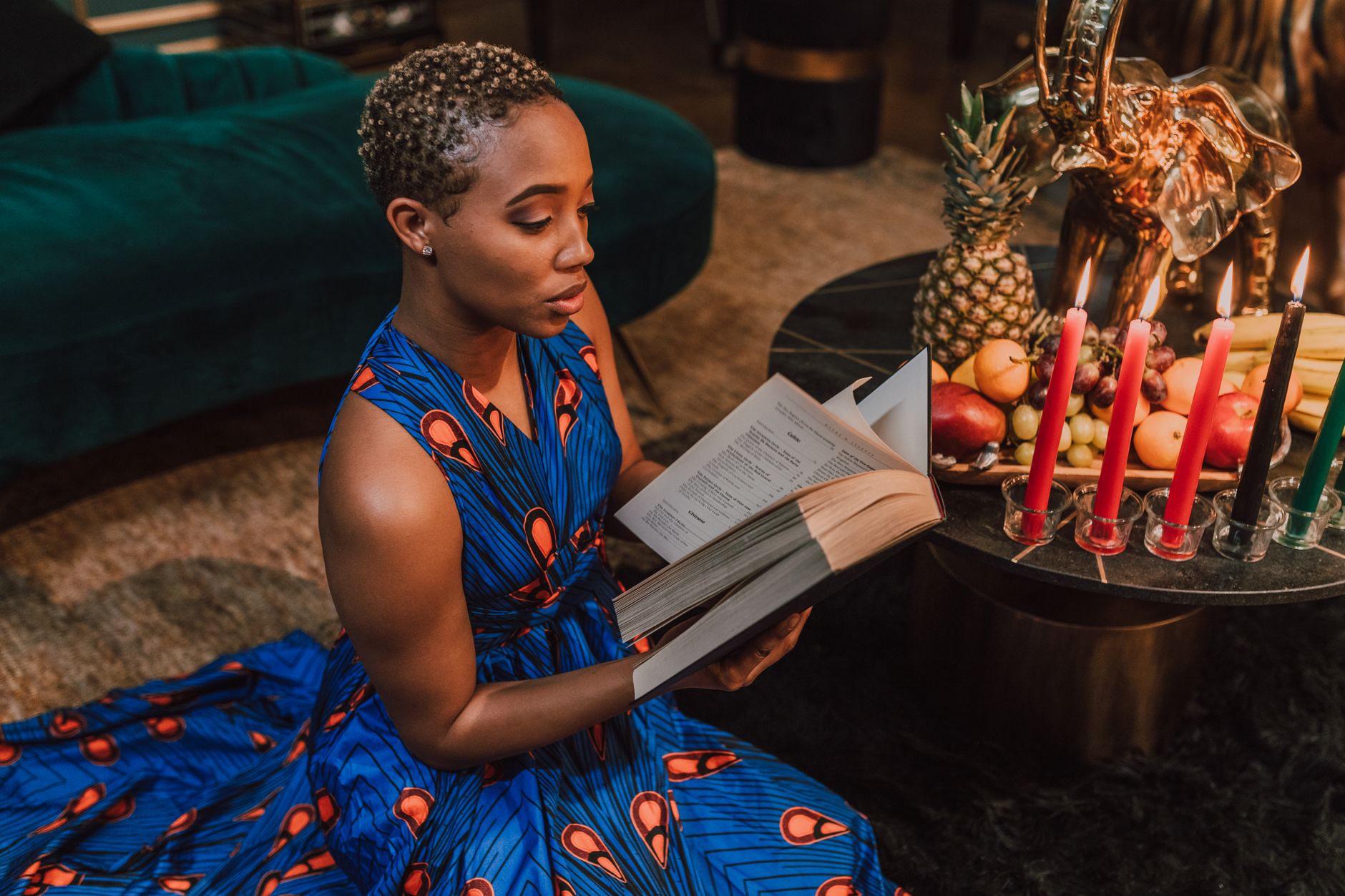
Africa’s history is vast, complex, and deeply influential — yet many African stories remain unfamiliar to audiences both within Africa and around the world.
For generations, much of Africa’s history has been presented through external perspectives, often focusing heavily on colonialism, conflict, poverty, and political change. While these are important parts of the historical record, they represent only a fraction of Africa’s story.
There are also stories of innovation, leadership, scholarship, resistance, entrepreneurship, creativity, scientific knowledge, cultural achievement, and extraordinary individuals whose contributions deserve greater recognition.
Why Untold Stories Matter
History shapes how people understand themselves and the world around them.
When important stories are forgotten, communities can lose connections to their heritage and younger generations may grow up unaware of the achievements and experiences of those who came before them.
Sharing overlooked African histories helps broaden our understanding of the continent and challenges simplified narratives about Africa.
It also allows us to ask important questions:
Whose stories have been preserved?
Whose stories have been overlooked?
And what can we learn by bringing them back into the conversation?
Stories of African Leadership
Africa’s history is filled with leaders whose influence extended far beyond their own communities.
From powerful queens and kings to political thinkers, community leaders, diplomats, educators, and activists, African history contains countless examples of leadership that deserve deeper exploration.
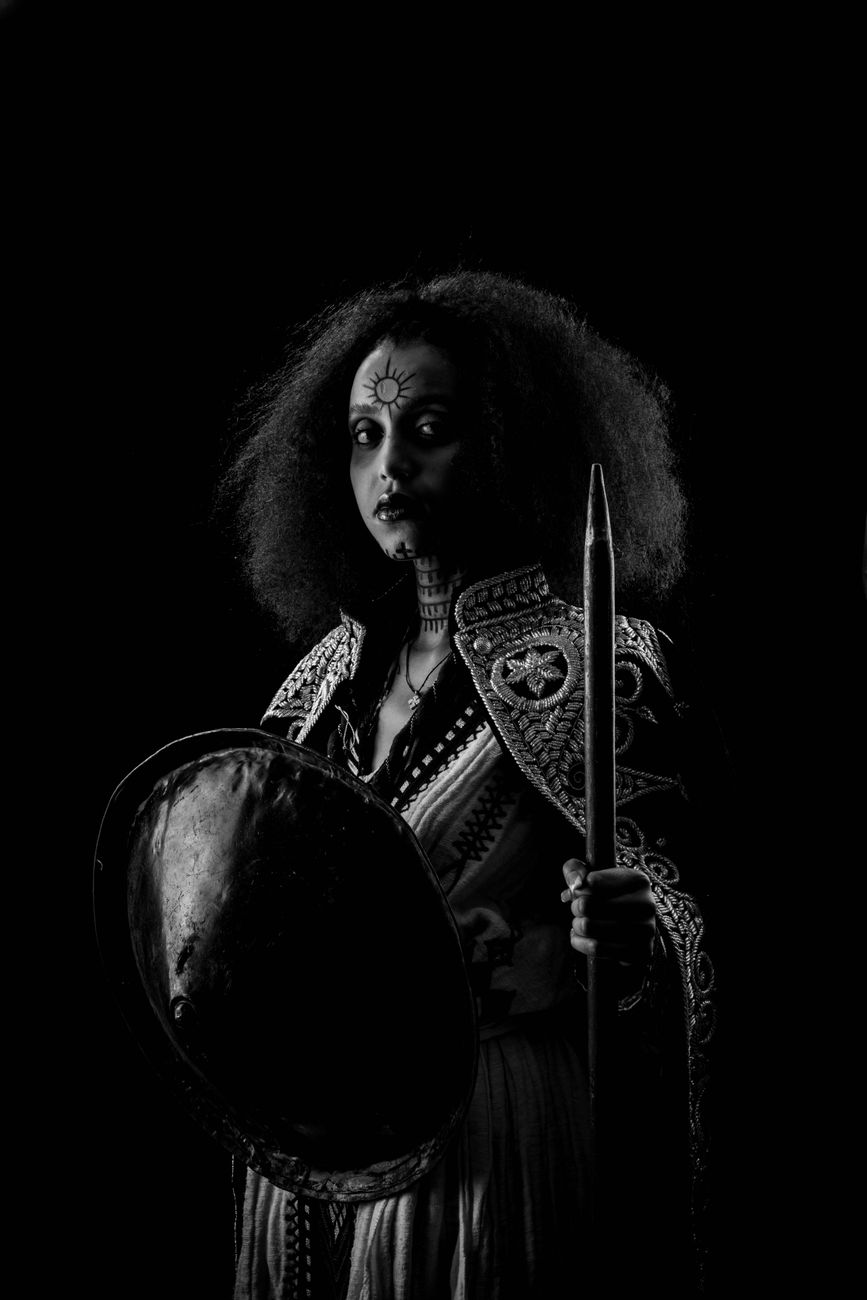
Figures such as Queen Nzinga of Ndongo and Matamba, Yaa Asantewaa of the Ashanti Empire, Queen Amina of Zazzau, and Amanirenas of Kush demonstrate the important roles women played in African political and military history.
Their stories provide valuable lessons about courage, strategy, leadership, and resilience.
Stories of African Innovation
Africa’s historical contributions are not limited to political history.
Across the continent, African societies developed sophisticated approaches to:
- Agriculture and food production
- Architecture and engineering
- Medicine and healing
- Metalworking
- Navigation and trade
- Textile production
- Mathematics and astronomy
- Water management
- Urban development
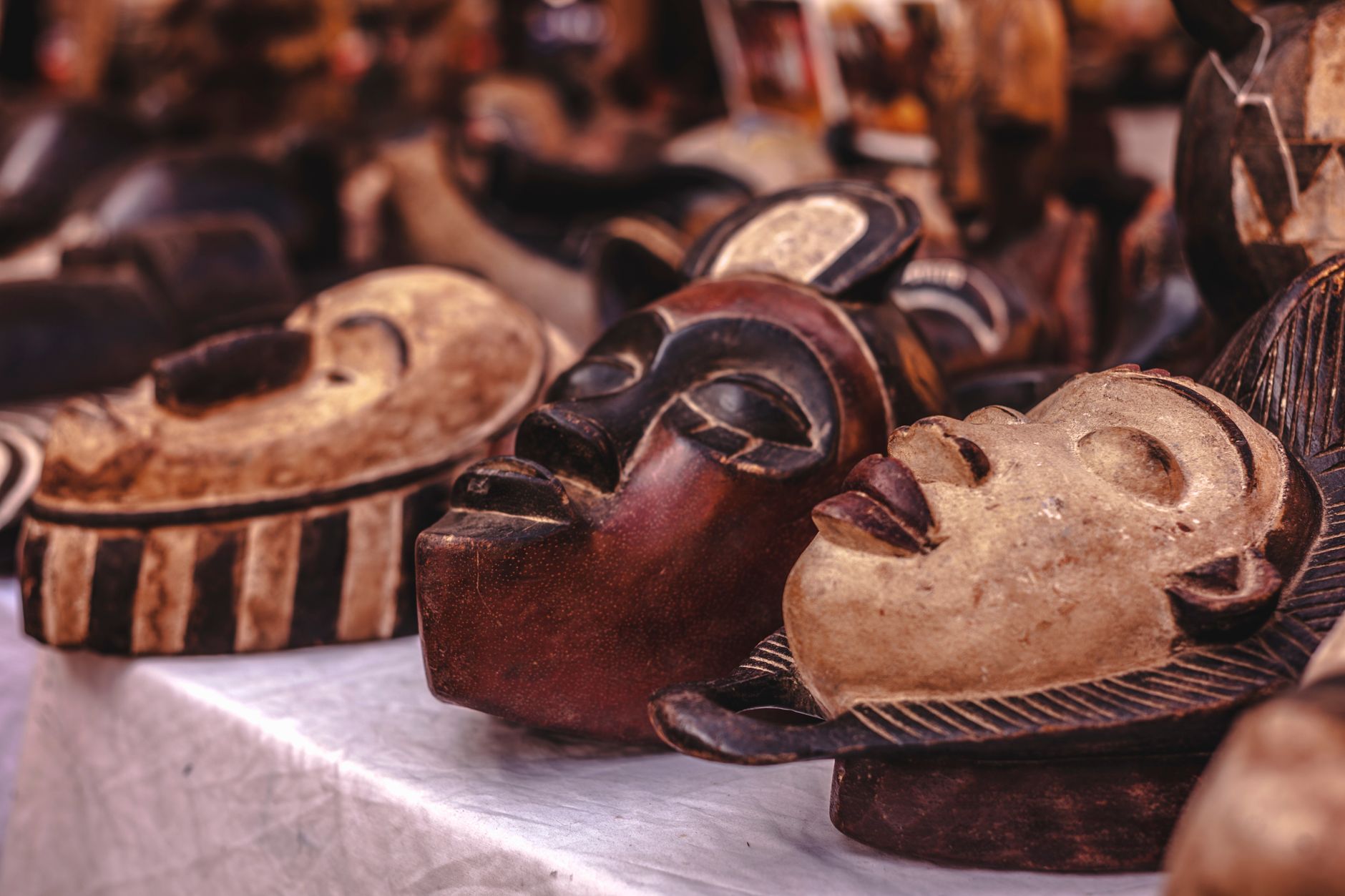
From the monumental structures of ancient Egypt and Nubia to the remarkable stone architecture of Great Zimbabwe, these achievements demonstrate the diversity of African knowledge systems.
Stories of African Scholarship
Africa has long been home to centres of intellectual and religious learning.
Timbuktu, for example, became an important centre of scholarship in West Africa, with scholars studying subjects including religion, law, literature, mathematics, astronomy, and medicine.
Manuscripts preserved in Timbuktu and elsewhere provide evidence of intellectual traditions that challenge simplistic assumptions about Africa’s historical relationship with education and written knowledge.
These stories remind us that African intellectual history deserves a place within the broader story of world knowledge.
Stories of Resistance
African resistance to colonial expansion took many forms.
Some communities fought militarily. Others used diplomacy, political organisation, cultural preservation, economic resistance, or intellectual movements.
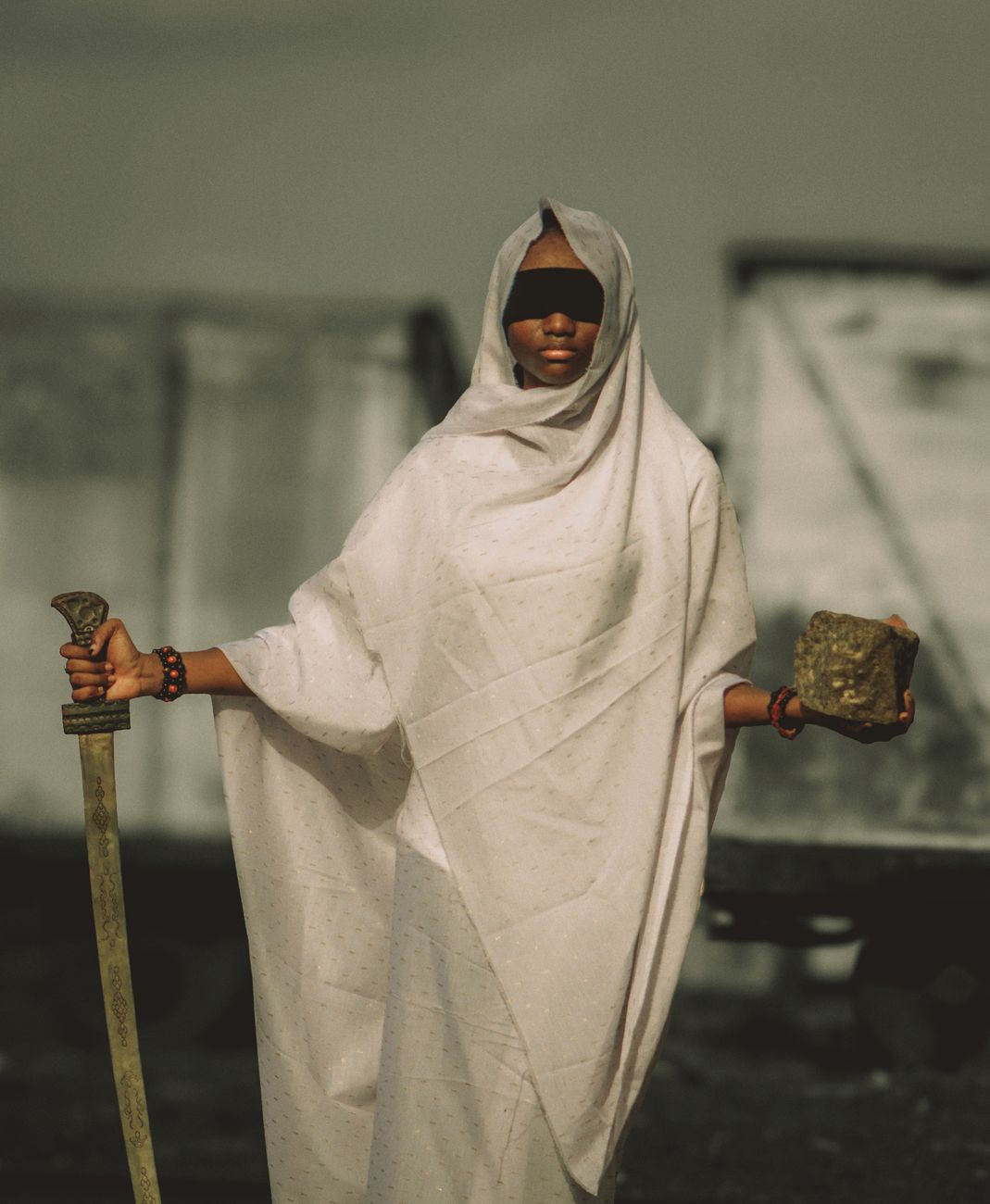
Stories such as the resistance of Queen Nzinga, the Battle of Adwa, the Maji Maji resistance, and the independence movements of the 20th century reveal a long history of Africans defending their communities, sovereignty, and right to determine their own futures.
These stories are not simply stories of conflict.
They are stories of agency, courage, strategy, and self-determination.
Stories of Ordinary People
History should not only remember kings, presidents, generals, and famous personalities.
Some of the most meaningful stories belong to ordinary people.
Farmers, traders, teachers, craftspeople, mothers, miners, students, artists, workers, religious leaders, and community organisers have all contributed to Africa’s development.
Their stories help us understand how African societies actually functioned and how communities adapted to enormous political, economic, and social changes.
Stories of African Women
African women’s history deserves particular attention.
Women have been political leaders, entrepreneurs, educators, artists, agricultural innovators, activists, traders, healers, community organisers, and custodians of cultural knowledge.
Many of these contributions were not adequately recorded or recognised in traditional historical accounts.
Recovering these stories helps create a more complete understanding of African history.
Stories Across the African Diaspora
African history does not end at the continent’s borders.
The African diaspora has contributed significantly to the development of societies across the Caribbean, the Americas, Europe, and other parts of the world.
The histories of African and Caribbean communities, Black intellectual movements, cultural traditions, independence movements, and diaspora entrepreneurs are all part of a much larger African story.
Understanding these connections helps reveal the global dimensions of African history.
Why We Must Keep Telling These Stories
Untold history is not simply history that has been forgotten.
Sometimes it is history that has been under-recorded, under-taught, misrepresented, or overshadowed by more dominant narratives.
Bringing these stories forward does not mean rewriting history. It means making the historical record more complete.
It means recognising the complexity of African societies and giving greater attention to voices and experiences that have too often been overlooked.
A New Generation of African Storytelling
Today, technology gives Africans and the global African diaspora new opportunities to research, preserve, document, and share their histories.
Digital archives, podcasts, documentaries, social media, books, museums, educational platforms, and community projects can all contribute to preserving African historical knowledge.
The next generation has an important role to play.
We should not only ask:
“What happened?”
We should also ask:
“Who recorded it?”
“Whose perspective are we hearing?”
“What has been left out?”
“And what can these stories teach us today?”
Cultural Education: Remembering, Learning and Empowering
At Cultural Education, we believe that learning African history is not about living in the past.
It is about understanding the past well enough to make better decisions about the future.
Every recovered story adds another piece to the larger picture of Africa — its people, its cultures, its achievements, its struggles, and its possibilities.
The more we learn about where we come from, the better equipped we are to understand where we can go.
Our vision is to equip and empower the African mind globally through knowledge, cultural education, and meaningful opportunities for learning and growth.
The Story Continues
There are thousands of African stories still waiting to be explored.
Stories of forgotten innovators.
Stories of courageous leaders.
Stories of intellectuals and educators.
Stories of communities that survived extraordinary challenges.
Stories of artists, entrepreneurs, scientists, farmers, workers, and young people who helped shape their societies.
These are not simply untold stories.
They are part of Africa’s legacy.
And they deserve to be remembered.
Learn. Discover. Remember. Share. Empower.