The Struggle for Freedom, Sovereignty and Self-Determination
Africa’s journey to independence was not a single event, nor was it simply handed to African nations by departing colonial powers. It was the result of decades of resistance, sacrifice, political organisation, intellectual thought, cultural resilience, and determination by African people across the continent.
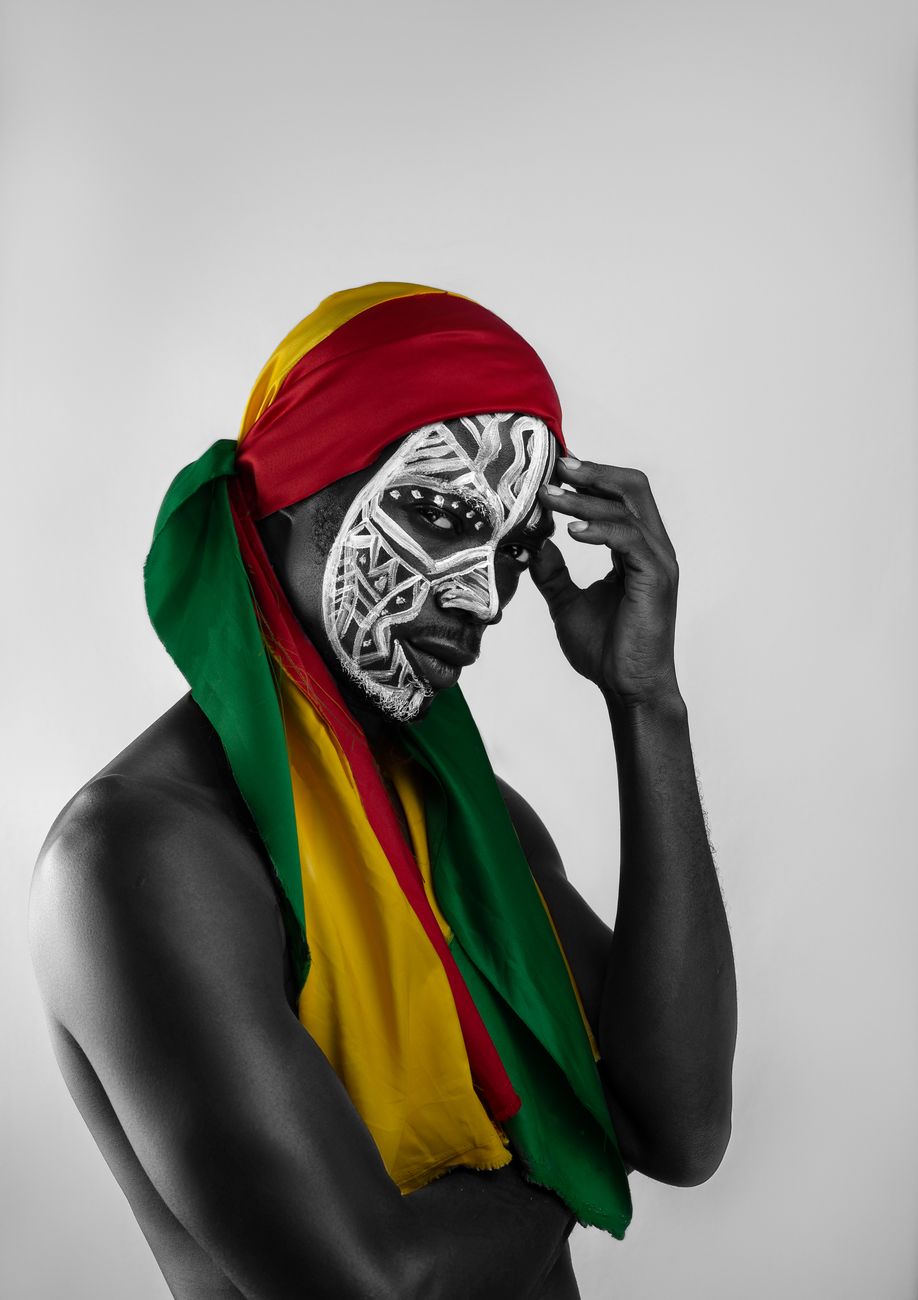
Long before independence movements emerged in the 20th century, African societies resisted European conquest and colonial expansion in many different ways. Some fought militarily, while others used diplomacy, political organisation, cultural preservation, education, labour movements, and later mass political campaigns to challenge colonial rule.
Understanding this history is essential to understanding modern Africa.
Resistance Began Before Colonial Rule Was Established
European colonial expansion accelerated during the late 19th century, particularly during the period known as the Scramble for Africa. European powers competed for territory and resources, eventually bringing much of the continent under colonial control.
But African societies did not simply accept this transformation.
Across the continent, kingdoms, communities, leaders, and ordinary people resisted attempts to take their land, resources, political authority, and independence.
Resistance took many forms.
Some communities engaged in armed conflict. Others negotiated treaties, formed alliances, moved populations, refused colonial demands, or maintained cultural and political institutions despite foreign rule.
Among the best-known examples were the resistance led by Samori Touré in West Africa, the Mahdist movement in Sudan, the Maji Maji rebellion in German East Africa, and the resistance of Menelik II and Ethiopia, whose forces defeated Italy at the Battle of Adwa in 1896.
These movements demonstrated that African societies possessed their own political strategies, military capabilities, leadership structures, and visions for their futures.
The Power of African Leadership
Resistance was not only about military conflict.
African leaders and intellectuals increasingly challenged colonial rule through political organisation and ideas about sovereignty, identity, education, and self-government.
Figures such as J.E. Casely Hayford, W.E.B. Du Bois, Marcus Garvey, Kwame Nkrumah, Jomo Kenyatta, Nnamdi Azikiwe, Julius Nyerere, and Patrice Lumumba contributed in different ways to the development of African political consciousness and anti-colonial thought.
Their approaches differed, but many shared a fundamental principle:
Africans should have the right to determine their own political and economic future.
Education and the Rise of Political Consciousness
Education became a powerful tool in the struggle for independence.
African students, teachers, writers, journalists, lawyers, religious leaders, and intellectuals created new spaces for political discussion and challenged colonial narratives about African societies.
Newspapers and political organisations helped spread ideas about self-government and national identity.
The growth of educated African leadership also created a new generation capable of organising political movements, negotiating with colonial authorities, and articulating demands for independence.
Knowledge became a form of empowerment.
The Pan-African Movement
The struggle for African independence was also connected to Pan-Africanism — the idea that people of African descent share important historical, cultural, and political connections.
Pan-African thinkers and activists encouraged solidarity between African peoples and the global African diaspora.
The movement helped create a broader vision: African liberation was not simply about individual territories becoming independent. It was also about African dignity, unity, sovereignty, and self-determination.
These ideas became increasingly influential during the 20th century.
The Road to Independence
Following the Second World War, colonial systems faced increasing pressure.
Across Africa, political parties, trade unions, student organisations, independence movements, and community groups demanded greater political representation and ultimately independence.
The process differed greatly from one country to another.
Some countries achieved independence through relatively negotiated political transitions. Others experienced prolonged armed struggles, political violence, or conflict.
Ghana: A Landmark Moment
In 1957, Ghana became independent from British colonial rule, becoming the first sub-Saharan African colony to achieve independence in the post-war period.
Led by Kwame Nkrumah, Ghana’s independence became a powerful symbol across the continent.
Nkrumah famously connected Ghana’s liberation with the wider liberation of Africa, arguing that independence should contribute to the freedom and development of other African peoples.
Ghana became an important centre for Pan-African thought and political activity.
The Winds of Change
The late 1950s and 1960s became a transformative period.
One after another, African countries gained independence from European colonial powers.
Countries including Nigeria, Tanzania, Kenya, Uganda, Senegal, Zambia, Malawi, Algeria, and many others became independent states.
The year 1960 became known as the “Year of Africa” because 17 African countries gained independence that year.
The political map of Africa was changing rapidly.
Independence Did Not Mean the End of the Struggle
Political independence represented a major achievement, but it did not automatically solve the challenges created by colonial rule.
New African governments inherited economies, borders, political institutions, and infrastructure that had largely been designed under colonial systems.
Many countries also faced serious challenges including poverty, limited industrialisation, political instability, ethnic and regional tensions, external interference, and economic dependence.
In some cases, the struggle continued after independence through movements seeking greater economic independence and control over natural resources.
This is why the idea of self-determination extends beyond political independence.
The Meaning of Independence Today
For today’s generation, African independence should not be understood simply as a collection of dates when countries gained national sovereignty.
It is also a story about identity, education, leadership, resilience, dignity, and the ability of people to shape their own future.
The independence generation asked:
Who should govern Africa?
Today’s generation must also ask:
Who will build Africa?
Who will create businesses?
Who will develop technology?
Who will educate future generations?
Who will preserve African languages and cultures?
Who will create opportunities for young people?
Who will develop African economies and industries?
Who will tell African stories from African perspectives?
These questions connect the history of independence with the challenges and opportunities of the present.
Learning From the Independence Generation
The greatest lesson from Africa’s independence movements may be the power of collective vision.
Political independence required people to believe that a different future was possible before that future existed.
Today, Africans across the continent and throughout the global diaspora face a different set of challenges. But the principles of education, unity, resilience, leadership, innovation, and self-determination remain relevant.
The responsibility now is not simply to remember those who fought for independence.
It is to build on what they started.
Empowering the African Mind
At Cultural Education, we believe that understanding African history is an important part of empowering the African mind.
When people understand the struggles, achievements, ideas, and sacrifices of previous generations, they gain a stronger foundation from which to imagine the future.
African history is not only about what happened yesterday. It can help us understand what is possible tomorrow.
Cultural Education
Our vision is to equip and empower the African mind globally through knowledge, cultural education, and meaningful opportunities for learning and growth.
The story of African resistance and independence reminds us that freedom begins with the belief that change is possible — and that knowledge, courage, leadership, and collective action can help turn that belief into reality.
Learn. Understand. Remember. Build. Empower.

