Africa has a rich history of powerful kingdoms, empires, city-states, and trading societies that shaped the continent and connected Africa to the wider world. From West Africa to the Nile Valley, East Africa, Central Africa, and Southern Africa, African states developed sophisticated systems of governance, trade, diplomacy, education, architecture, agriculture, and military organisation.
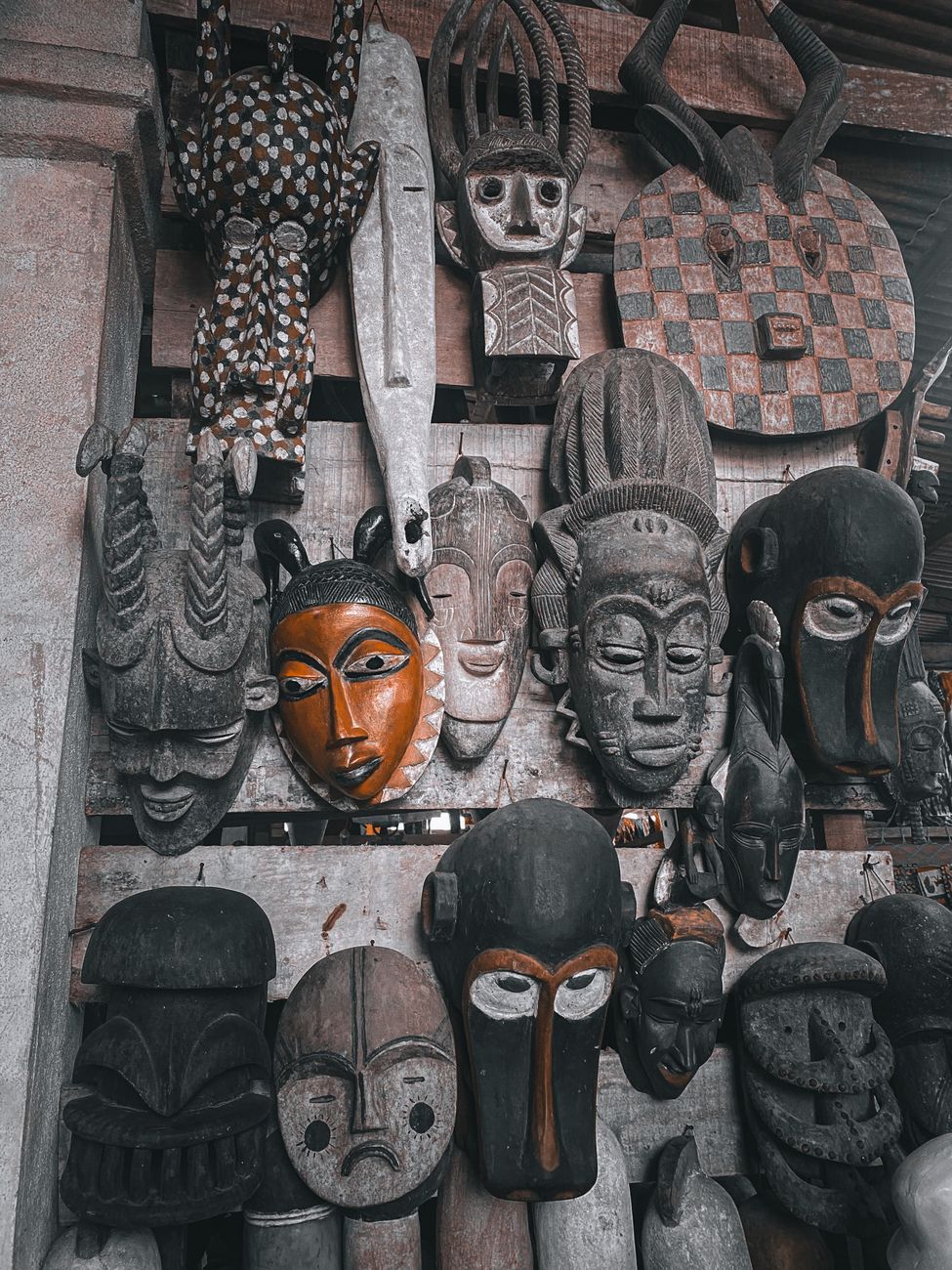
🏛️ Kingdoms and Empires to Explore
1. Kingdom of Kush 🇸🇩
One of the great civilisations of the Nile Valley, Kush developed powerful cities, trade networks, and a distinctive cultural identity. Its rulers even governed Egypt during the 25th Dynasty.
2. Ancient Egypt 🇪🇬
One of the world’s most famous ancient civilisations, Egypt developed remarkable achievements in architecture, writing, administration, mathematics, medicine, and engineering.
3. Carthaginian Empire 🇹🇳
Based in North Africa, Carthage became a major Mediterranean trading and maritime power and famously competed with Rome for regional influence.
4. Kingdom of Aksum 🇪🇹 🇪🇷
A major East African power, Aksum was an important centre of international trade connecting Africa with Arabia, the Mediterranean, and Asia.
5. Ghana Empire 🇲🇱 🇲🇷
One of West Africa’s major early empires, Ghana grew wealthy through trans-Saharan trade, particularly in gold and other valuable commodities.
6. Mali Empire 🇲🇱
One of the most influential West African empires, Mali became renowned for its wealth, trade, scholarship, and cities such as Timbuktu. Its famous ruler Mansa Musa became one of history’s best-known African monarchs.
7. Songhai Empire 🇲🇱 🇳🇪 🇳🇬
Songhai developed into one of the largest empires in West African history. Its centres of learning and commerce helped make the Niger River region a major intellectual and economic hub.
8. Kanem-Bornu Empire 🇹🇩 🇳🇬 🇳🇪
For centuries, Kanem-Bornu was a significant political and commercial power around the Lake Chad region, connecting different parts of North and West Africa.
9. Kingdom of Benin 🇳🇬
Known for its sophisticated political organisation, powerful rulers, urban development, and extraordinary artistic traditions, particularly its famous bronze and brass works.
10. Kingdom of Kongo 🇦🇴 🇨🇩 🇨🇬
A major Central African kingdom with organised political structures, extensive regional relationships, and a history of interaction with Portuguese traders and missionaries.
11. Great Zimbabwe 🇿🇼
A major Southern African settlement and trading centre, famous for its impressive dry-stone architecture. It demonstrates the sophistication and economic importance of pre-colonial southern African societies.
12. Ethiopian Empire 🇪🇹
One of Africa’s most enduring imperial traditions, Ethiopia developed distinctive political, religious, literary, and cultural institutions and maintained its independence through much of the colonial era.
🌍 Why African Kingdoms and Empires Matter
Learning about African kingdoms and empires helps us understand Africa beyond the colonial narrative.
These societies built cities, governed large territories, developed trade routes, produced remarkable works of art and architecture, established diplomatic relationships, and created intellectual and cultural traditions that continue to influence Africa today.

