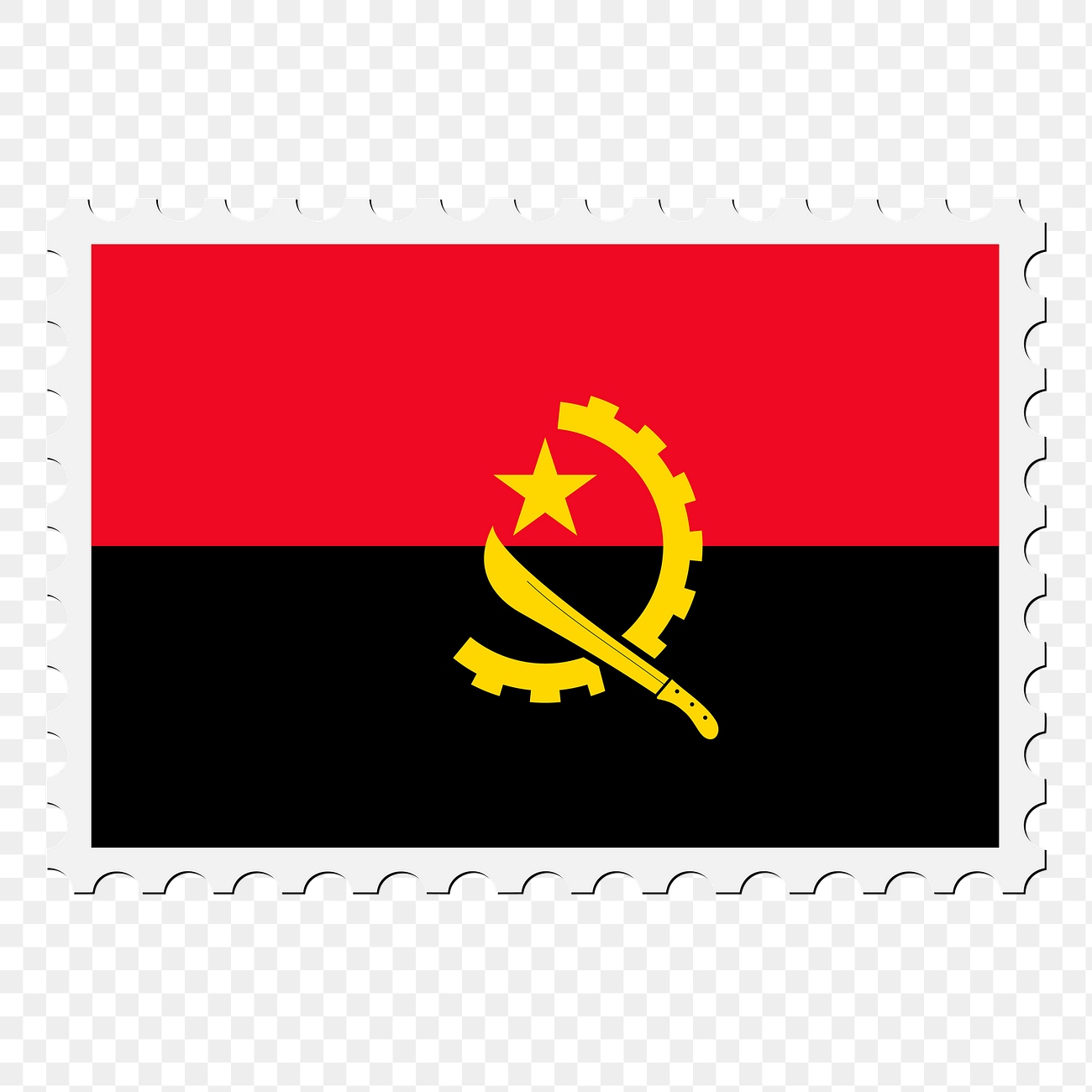
Key facts
| Category | Details |
|---|---|
| Official name | Republic of Angola |
| Capital | Luanda |
| Location | Southwestern Africa, on the Atlantic coast |
| Area | ~1.247 million km² |
| Population | ~39 million (2025) (World Bank Open Data) |
| Official language | Portuguese |
| Currency | Angolan kwanza (AOA) |
| Political system | Presidential republic |
| President | João Lourenço |
| Independence | 11 November 1975 |
| Main religion | Christianity |
| Major cities | Luanda, Huambo, Lobito, Benguela, Lubango, Cabinda |
Geography
Angola borders the Democratic Republic of the Congo, Zambia and Namibia, with a long coastline on the South Atlantic. It also includes the oil-rich Cabinda exclave, separated from the rest of Angola by a strip of the DRC. (World Bank)
The country has diverse landscapes, including coastal plains, highlands, savannas and semi-arid areas in the south.
History
Angola was a Portuguese colony for centuries and became independent in 1975. Independence was followed by a prolonged civil war involving competing political and military movements. The civil war ended in 2002, after which the government focused heavily on reconstruction and economic development.
Economy
Angola is one of Africa’s major oil-producing countries. Petroleum remains the backbone of the economy: the World Bank estimates oil at around 20% of GDP, 60% of government tax revenue and 95% of exports. (World Bank)
Other important sectors include:
- 💎 Diamonds and mining
- 🌾 Agriculture
- 🐟 Fisheries
- 🏗️ Construction
- 🛒 Retail and commerce
- ⚡ Energy
- 🚢 Ports and logistics
The economy grew by 3.1% in 2025, while nominal GDP was about $122 billion. Inflation remained high at about 20.2% in 2025 according to World Bank data. (World Bank Open Data)
People and society
Angola has a very young and rapidly growing population. Around half the population is under 18, creating both a major opportunity for future economic growth and substantial pressure on education, healthcare and employment. (World Bank)
Portuguese is the official language, while numerous Bantu languages—including Umbundu, Kimbundu and Kikongo—are widely spoken.
Development challenges
Despite its considerable natural-resource wealth, Angola faces several major challenges:
- High poverty and inequality
- Youth unemployment and widespread informal employment
- Dependence on oil revenues
- High inflation
- Limited economic diversification
- Infrastructure and public-service gaps
- Need for stronger human-capital development
The World Bank notes that about 80% of jobs were informal in 2025, highlighting the scale of the employment challenge. (World Bank)
Opportunities
Angola has significant long-term potential because of its:
Natural resources + large agricultural potential + young population + Atlantic ports + strategic position in Southern Africa.
Economic diversification—particularly into agriculture, mining, manufacturing, logistics and services—is a central priority for reducing vulnerability to fluctuations in oil prices. (World Bank)
In summary
Angola is a large, resource-rich Portuguese-speaking country in Southern Africa with a rapidly growing population and major oil and mineral wealth. Its biggest economic challenge is converting this resource wealth into broad-based improvements in employment, living standards and human development. Its biggest opportunity is diversification beyond oil.

